Colleges
Read the overview
The Eudists not only educated thousands of people, but also contributed to the well-being of their communities by organizing concerts, staging plays, encouraging sports, and promoting community involvement.
Together in mission
With a big heart
and great love.
From Acadia to the North Shore, serving formation, evangelization, and community life.
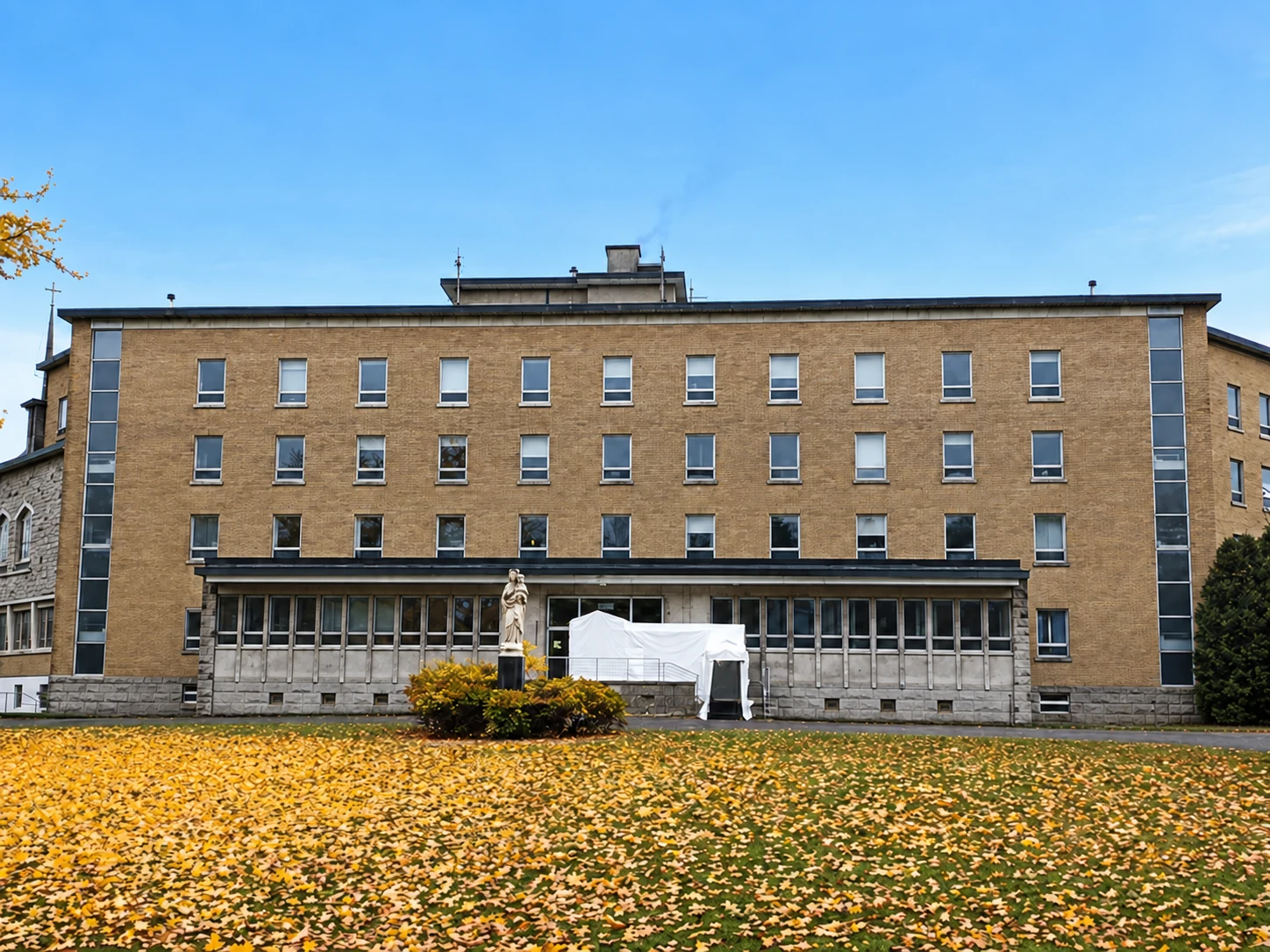
A continuing legacy
Following Saint John Eudes, the Eudists seek new ways to help the Kingdom of Jesus grow. Their twofold mission brings together evangelization and the formation of people for the service of the Gospel.
In North America, this commitment took shape in colleges, juvenates, major seminaries, and parishes. Education, culture, and spiritual life helped communities thrive, especially in Acadia and Québec.
This legacy lives on in the people who were formed, in its institutions, and in bonds of fraternity. Members, associates, and friends share in this mission within the Eudist family.
Life in the Vicariate
Loading news…
Congregation news
Follow the Superior General’s monthly messages and announcements from the entire Eudist family.
A monthly gathering
On the 19th of each month, the Eudist family gathers for prayer.
Evangelization · Formation · Mercy
The U.S. community of the Vicariate of North America gathers Eudists in a shared fraternal life and mission. Rooted in Christ, its members are sent to bring his love to the world in service of the Church and all people.
From Acadia to the North Shore
The Eudists not only educated thousands of people, but also contributed to the well-being of their communities by organizing concerts, staging plays, encouraging sports, and promoting community involvement.
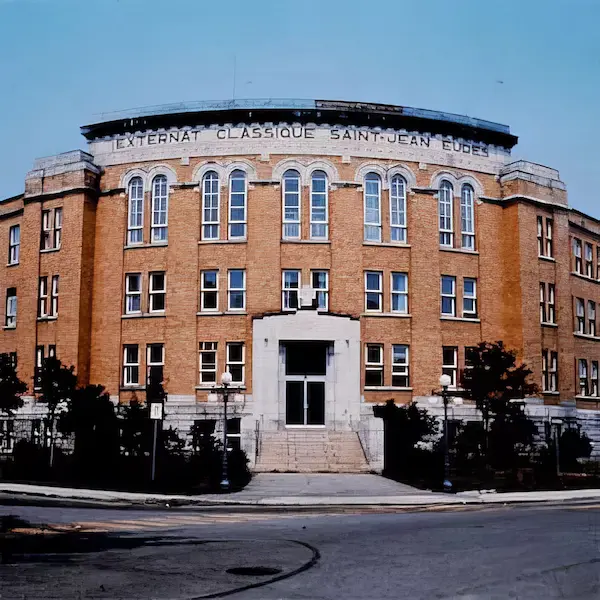
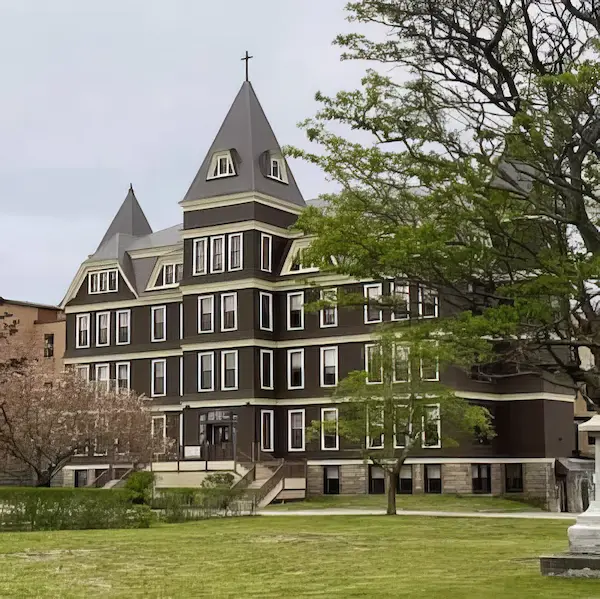
Eudist work in Canada extends beyond Baie Sainte-Marie. The first record of a juvenate dates to 1890, when the college opened. Saint-Jean-Eudes Juvenate opened in 1894. It moved to Bathurst in 1916, then returned to Church Point the following year after the Bathurst juvenate burned down.
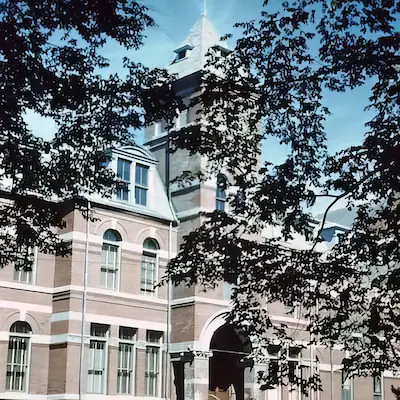
The Eudists operated several major seminaries in Canada, mainly in Québec and Nova Scotia. They formed Eudist candidates as well as future members of the diocesan clergy.
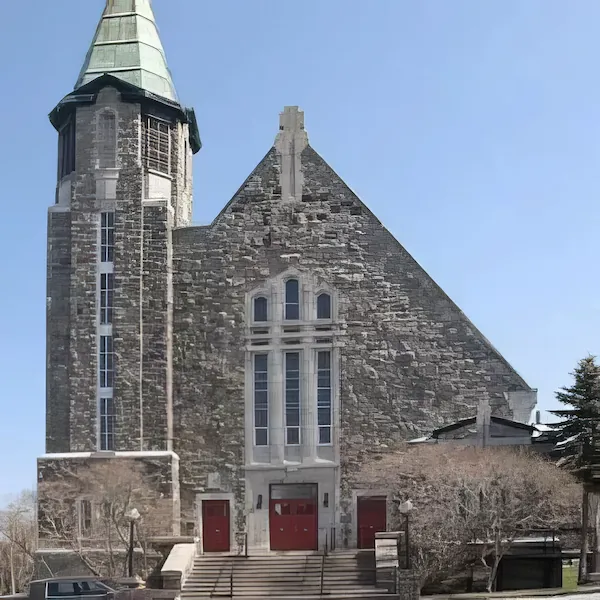
In the early 1900s, strong anticlerical sentiment prevailed in France. A law separating church and state was passed in 1905, prompting many priests to leave for Canada. The first group of fourteen Eudist missionaries arrived on the North Shore in 1903. Through their work in education, the Eudists left a lasting mark on the region’s development.
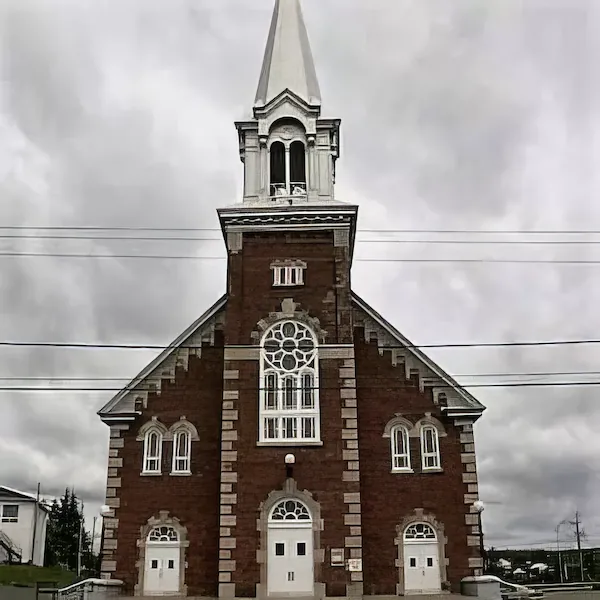
The Congregation established a presence in the Quebec City region in 1911, at Saint-Gabriel House in Lévis. Seven years later, Archbishop Louis-Nazaire Bégin invited Father Pierre-Marie Dagnaud to found the new Saint-Cœur-de-Marie Parish (Saint-Dominique) on Grande Allée in Quebec City. In 1917, the Congregation founded Good Shepherd Parish in Laval-des-Rapides.
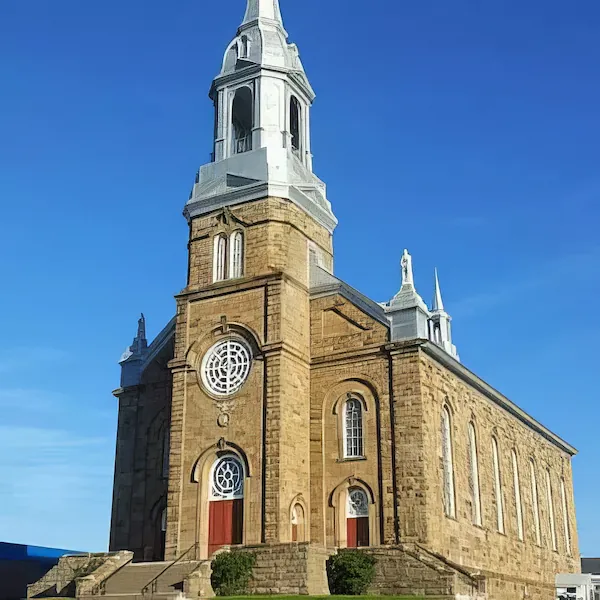
The Eudists’ presence at Church Point reflects the encounter between France and Acadia in architecture and culture. The gradual transition from a staff of French priests to one of Canadian-born priests helped bring these cultural influences into balance.
Mission · Ruai · Kenya
At Saint Charles Lwanga Boys Town in Ruai near Nairobi, the Eudists support vulnerable boys through rehabilitation, education, training, and community life.
Discover Boys Town Africa →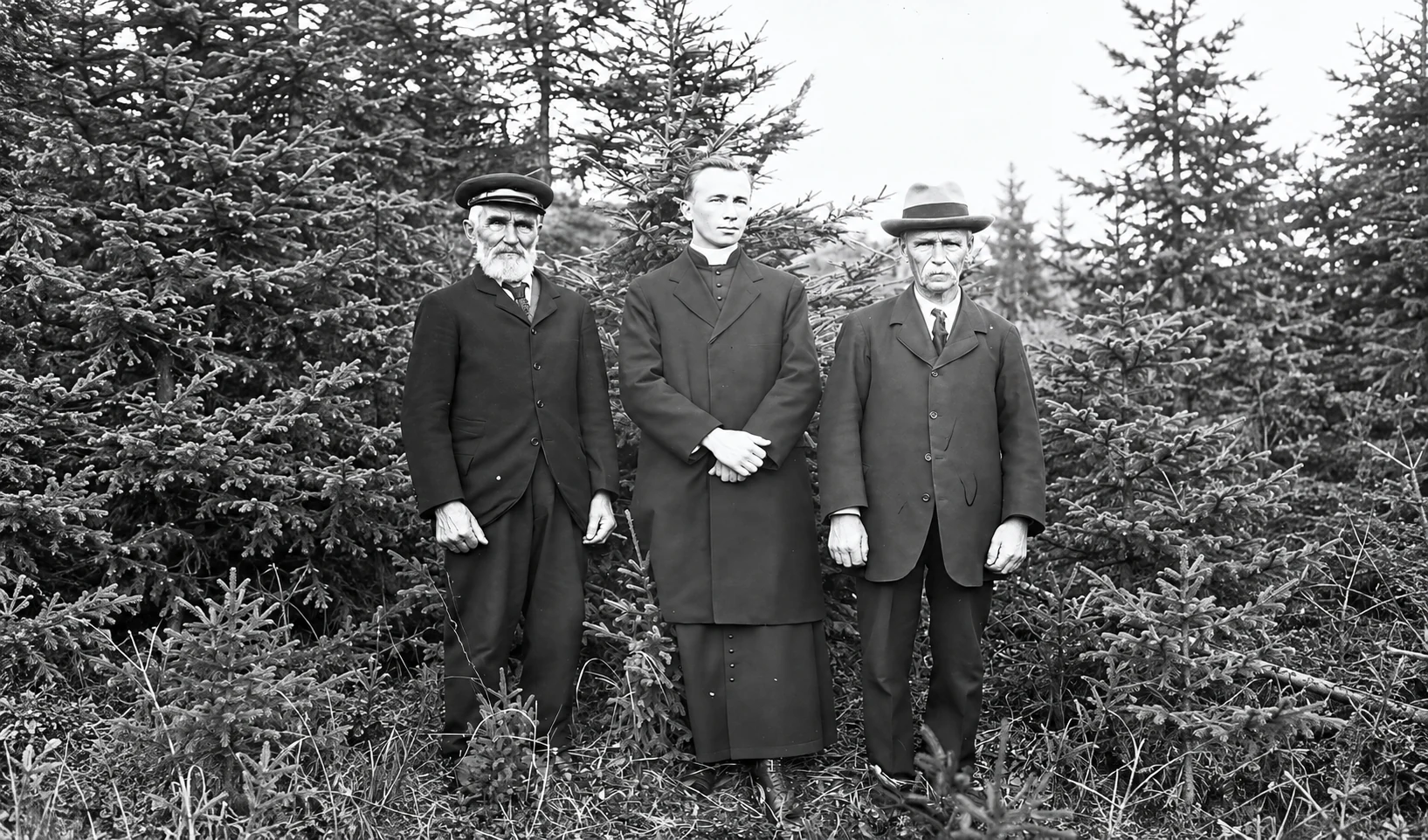
A North Shore figure
An Eudist missionary, advocate for North Shore workers, and first Bishop of Baie-Comeau, Bishop Labrie helped establish educational and health institutions in the region.
Discover his life and work →Baie-Comeau: the early years →An international Eudist collection
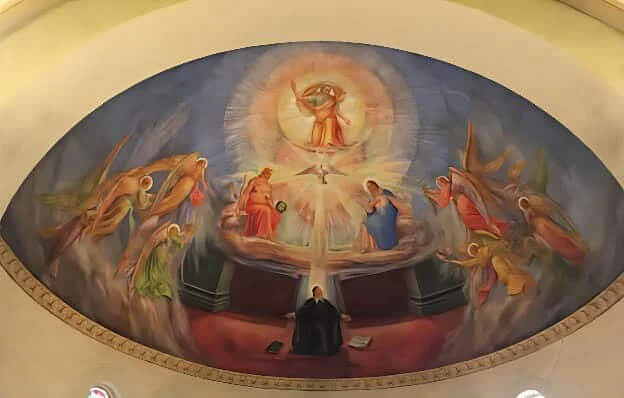
Paintings, drawings, stained glass, and sculptures tell the story of Saint John Eudes and the Eudist family around the world.
A collection curated by Robert Fleuret, an Eudist associate in France.
Explore the photo libraryArticles and highlights
People, works, and events that illuminate Eudist history and presence.
Loading articles…
One spiritual family
The Eudist family is a place of spiritual sharing and a home from which mission radiates. Associates and friends find inspiration for fraternity, prayer, and service in the thought, work, and mission of Saint John Eudes.
Visit the associates’ page ↗A living legacy
Spirituality
Prayers, writings, and paths to nourish personal and communal life.
Archives & heritage
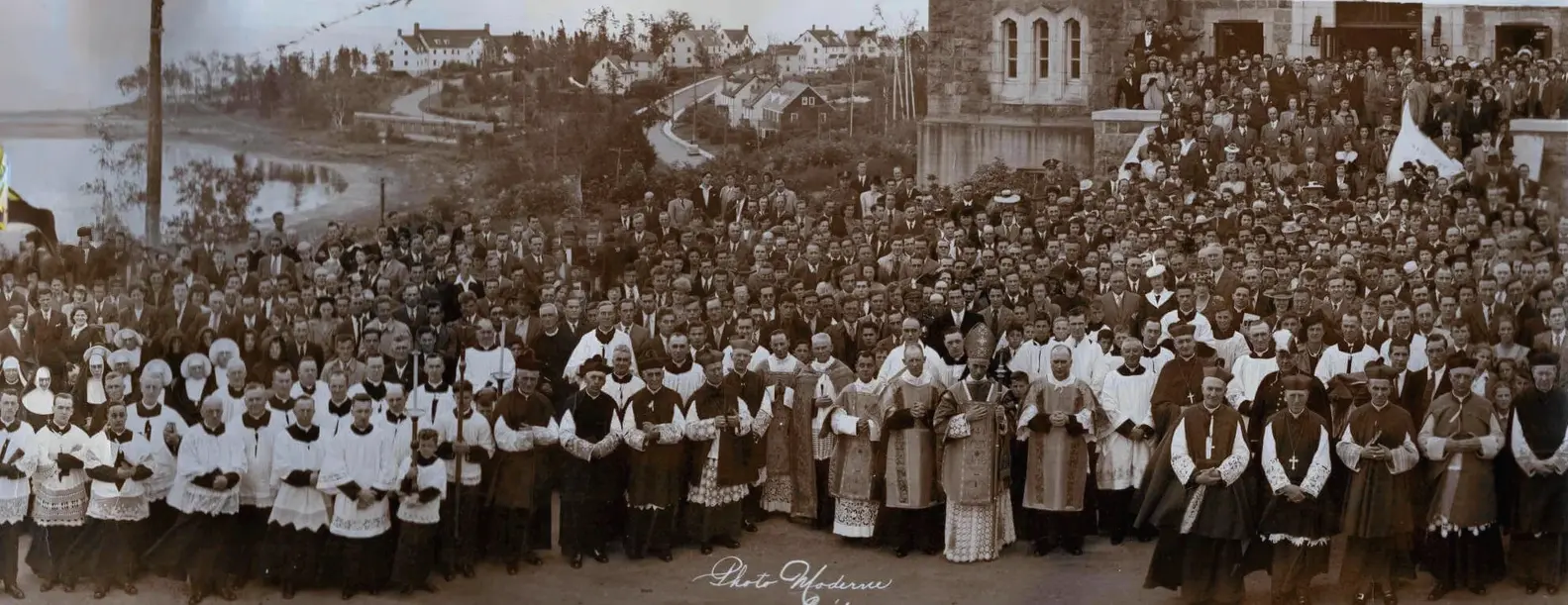
Writings, images, and documents: discover the traces of a history that connects us.
North Shore heritage
A multi-page visitor’s guide connects the church’s history, the story behind its murals, and the symbols in its stained glass.
Pilgrimage · Normandy
In Normandy, a route connects the places where John Eudes lived, prayed, and proclaimed the Gospel. Led by the Eudists and the Sisters of Our Lady of Charity of the Good Shepherd, this initiative brings together pilgrimage, formation, and service to human dignity.
Discover the shrine →Ri and Les Tourailles, Douvres-la-Délivrande, Caen, and Cormelles-le-Royal.
A spiritual journey linking mercy with welcome and service to others.
The experience will grow to include images, panoramas, prayers, and testimonies.
Voices bringing our heritage to life

Remembering our confrères
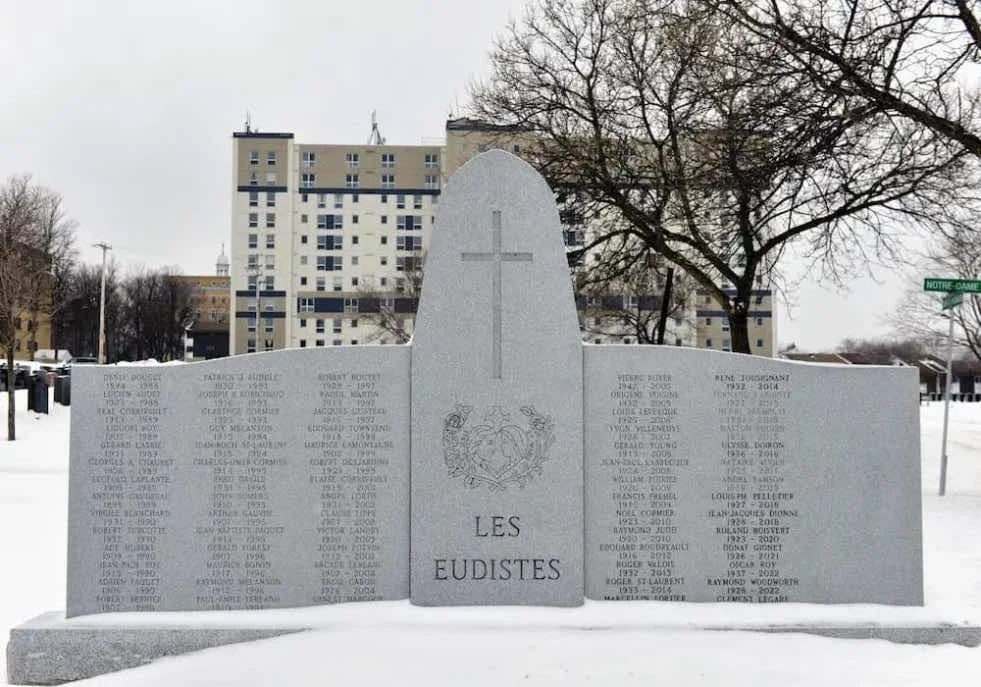
We remember the Eudists who gave their lives in service of the Gospel and the Congregation. These obituary records gather names, biographies, and testimonies about confrères from the former Province of North America and the Philippines, now the Vicariate of North America.
Their stories invite us to give thanks for their presence, their mission, and the bonds they built in our communities.
Browse the obituaries and records → The Eudist Flowers →Milcent · Serving memory and mission
Heritage has its fullest value when it can be found, understood, and shared.
Milcent brings together document management, heritage preservation, and content sharing. A single database supports the Eudist family’s collections, news, and resources.
Discover Milcent ↗Bring texts, images, and media together in an organized repository for easier searching and access.
Document works, places, and witnesses to our history. Preserve their context and pass this memory on to future generations.
Share news and make resources accessible. Content published in Milcent dynamically feeds the pages of this website.
Memory organized. Legacy shared. Community connected.
Our digital tools
Racapé supports the preservation and consultation of the Province of France archives, which bear witness to Eudist history and spirituality. It is named in honour of Father Joseph Racapé, an Eudist archivist who devoted his life to preserving and sharing writings, especially those of Saint John Eudes.
Overview, installation, and FAQ →Corde Magno provides access to the Eudist archives, the “Fonds des Pères Eudistes”: nearly 100,000 documents, more than 60,000 of them digitized. The app indexes metadata and full text so users can search for people, titles, dates, words, and phrases.
Overview, installation, and FAQ →Each day, Ave Cor offers a prayer inspired by Saint John Eudes and adapted to the seasons and liturgical calendar. Spoken and written texts nourish personal and communal prayer, accompanied by seasonal views of Québec’s North Shore.
Overview, installation, and FAQ →Experimental query
A large language model (LLM) is an artificial intelligence system trained to understand questions and generate responses in everyday language. Here, an experimental in-house model draws on the documentary records to prepare an answer and suggest references.
Processing may take several minutes. After submitting your question, do not submit it again; allow the system time to prepare its response.
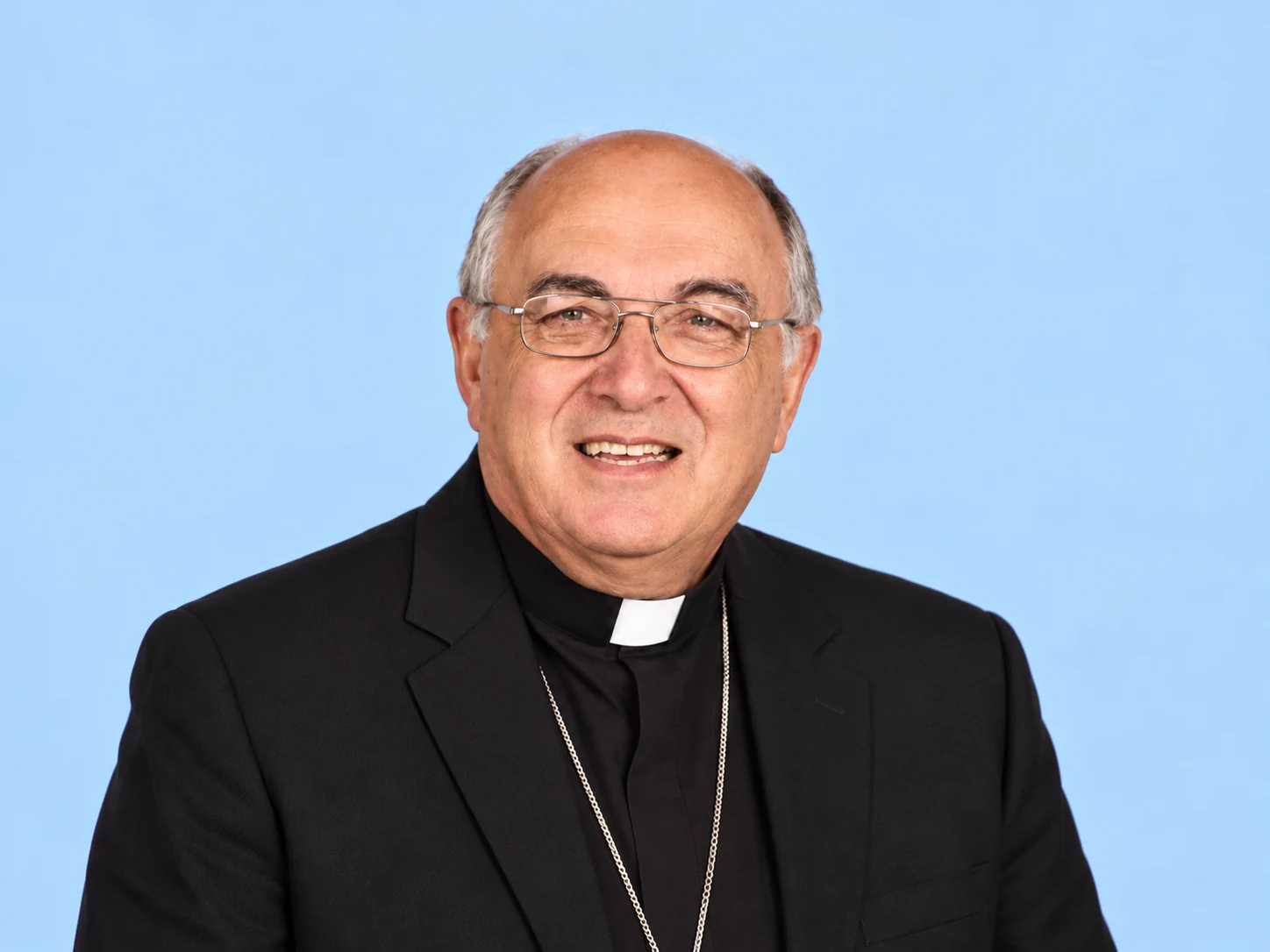
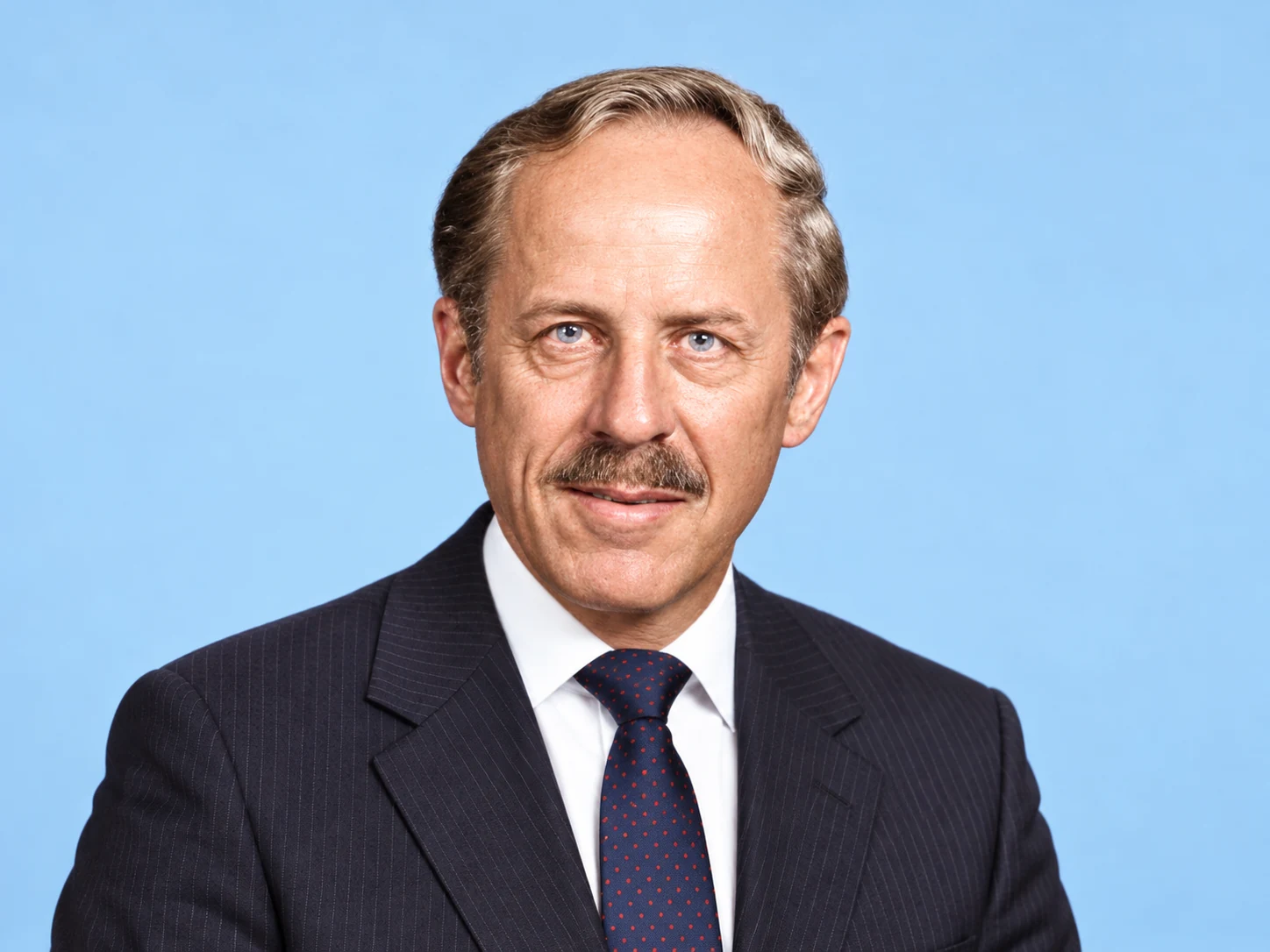
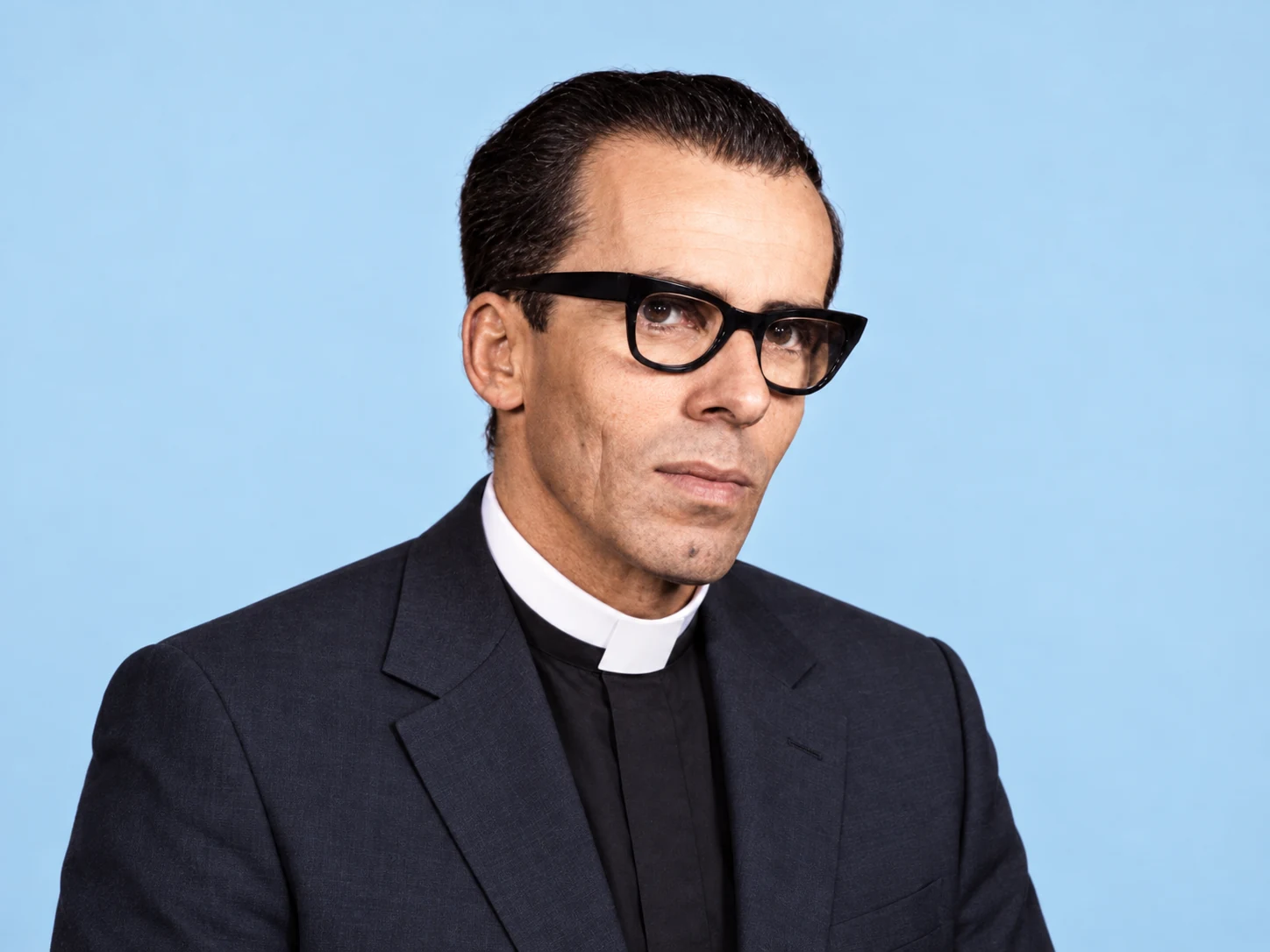
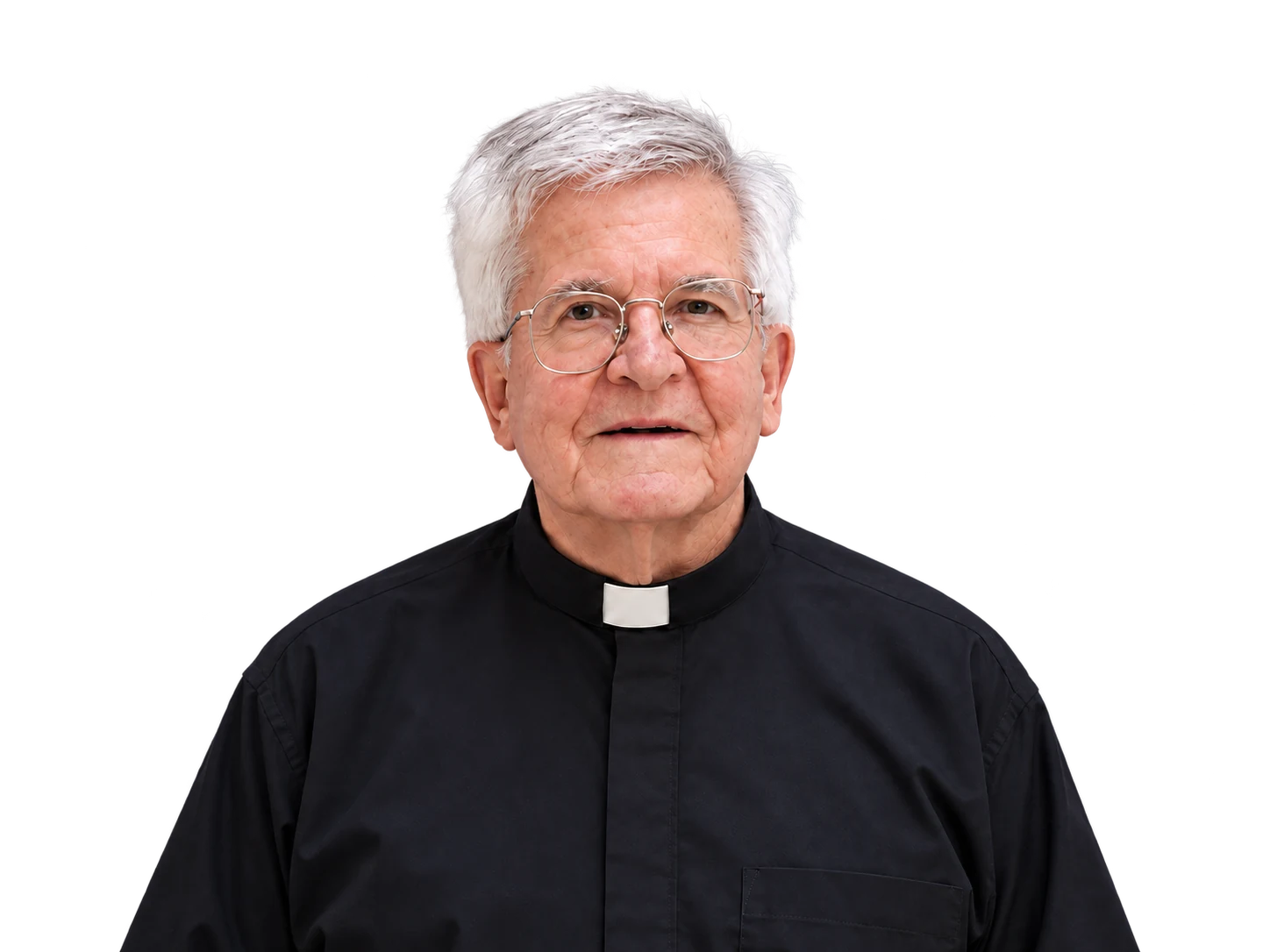
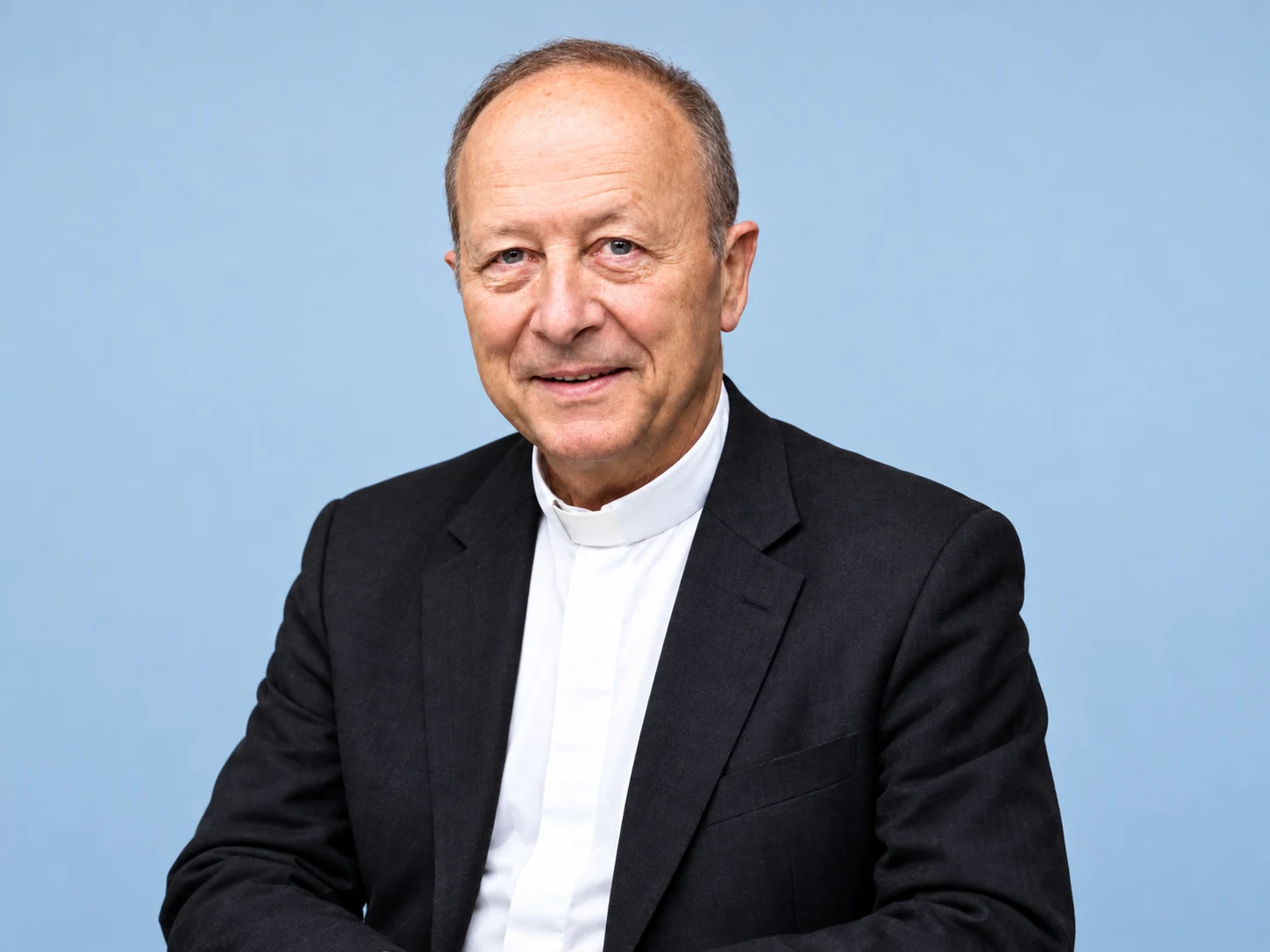
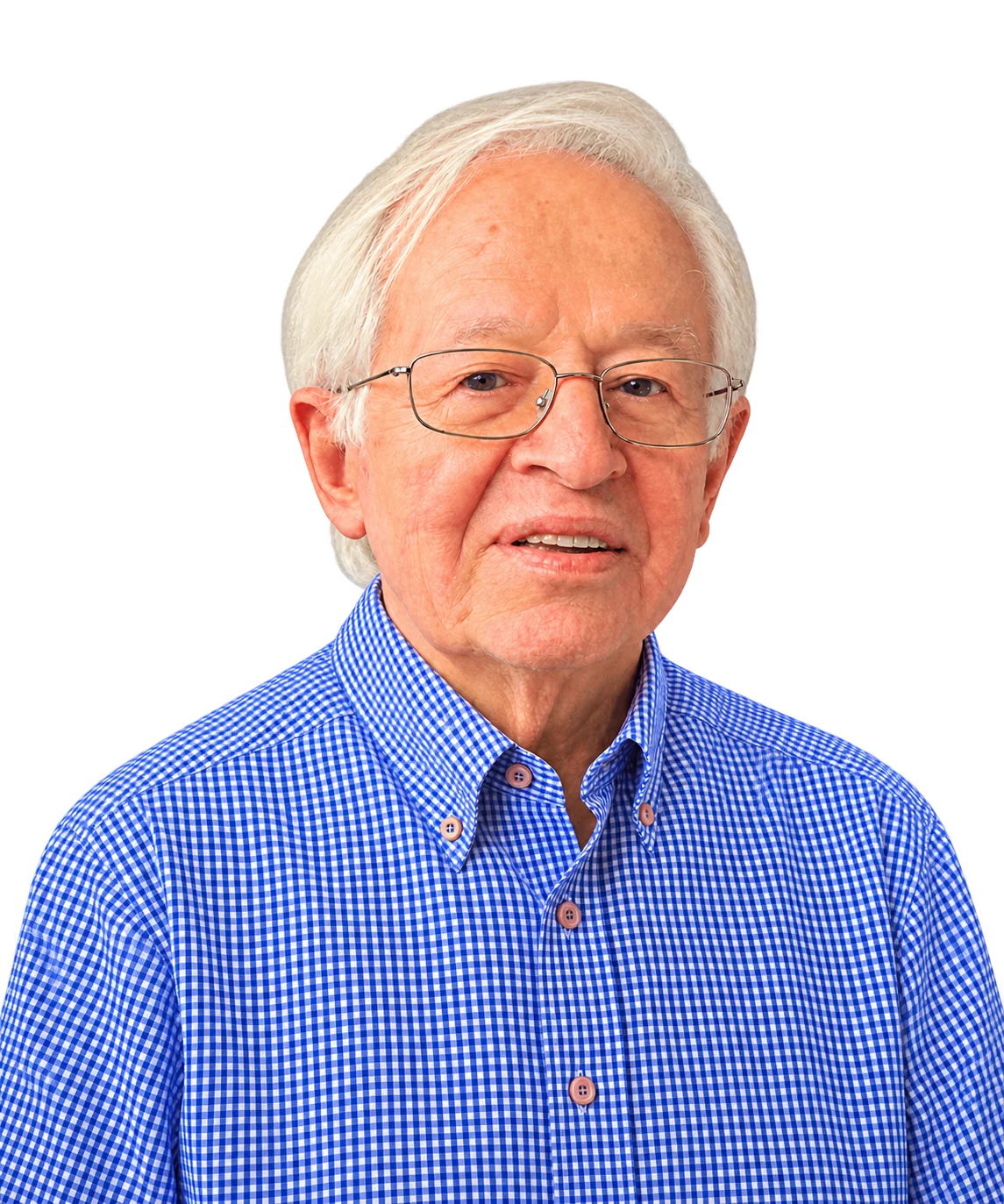
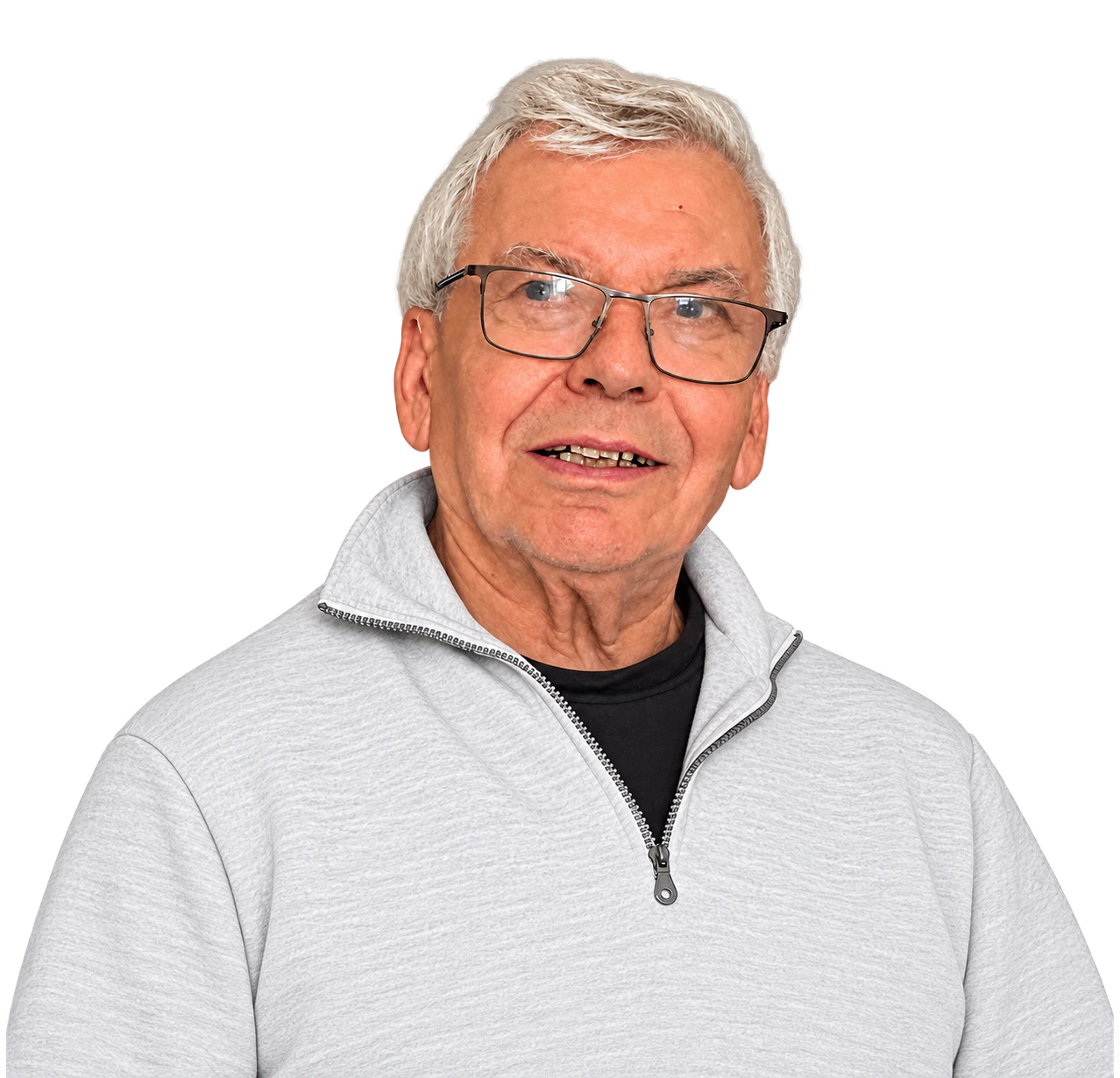
Serving the Vicariate
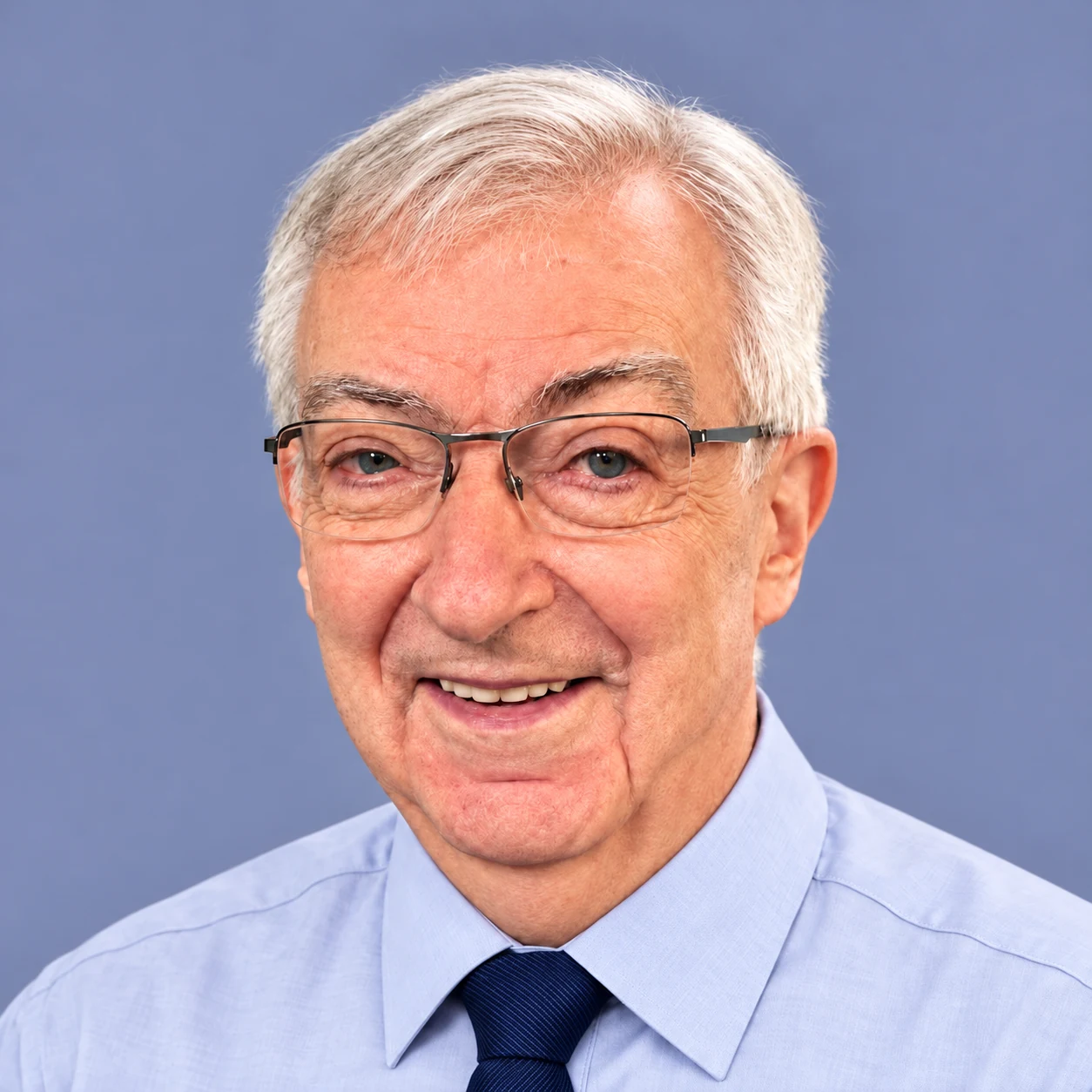
Territorial Vicar
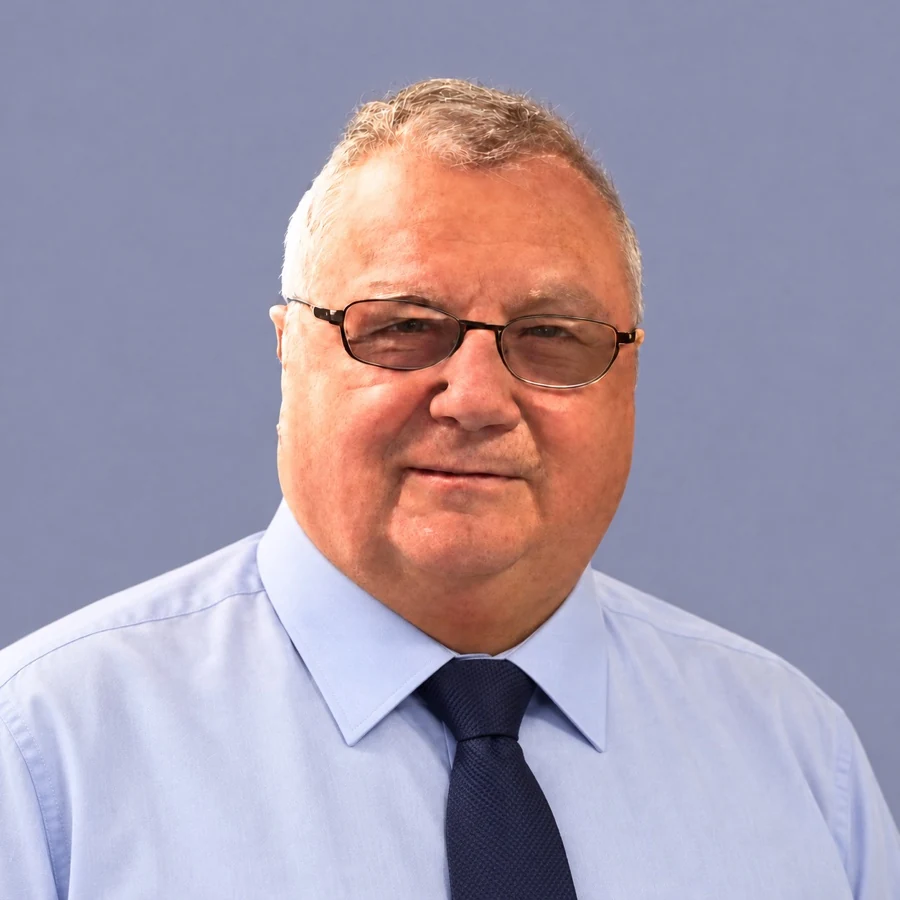
Vicariate Councillor
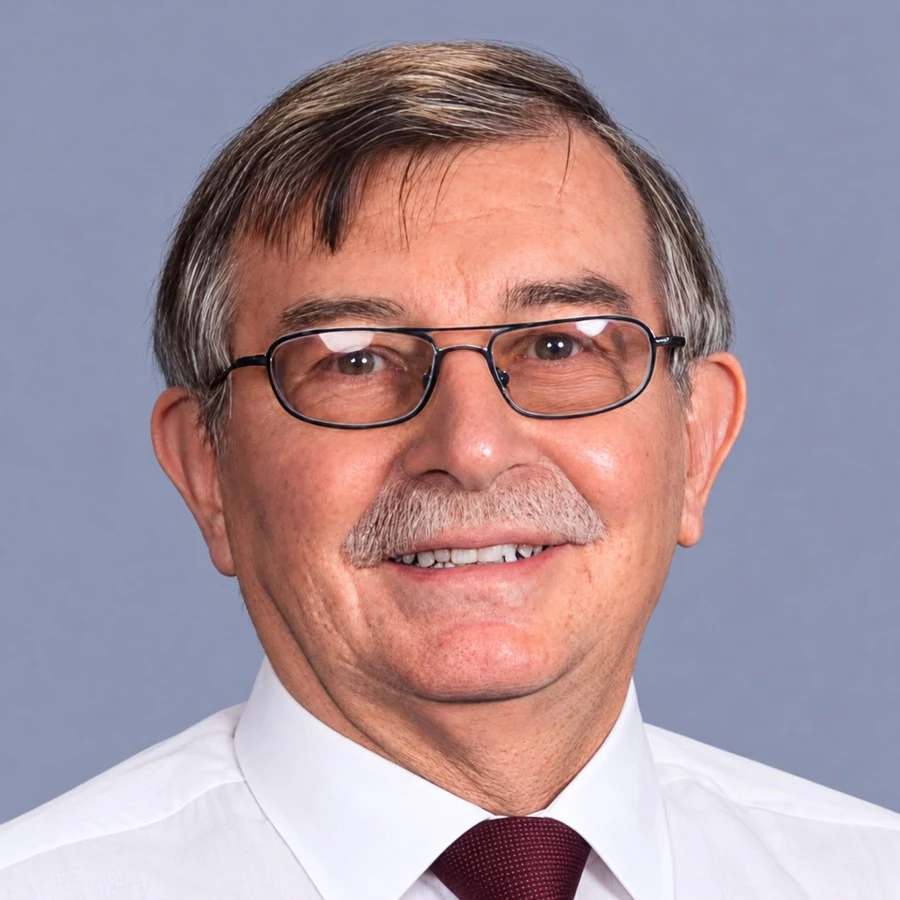
Vicariate Councillor
Keep in touch
The Vicariate offices are located at 2215 rue Marie-Victorin in Québec City.
2215 rue Marie-VictorinThe Eudist Vicariate administration has moved to 2215 rue Marie-Victorin in Quebec City. The building meets the province’s current needs. We thank François Côté, the former director of the House, for advancing this project with Cardinal Lacroix. We are also grateful to our archbishop for supporting the move of the Eudist provincial offices into this diocesan building.