Blanc-Sablon · Lower North Shore
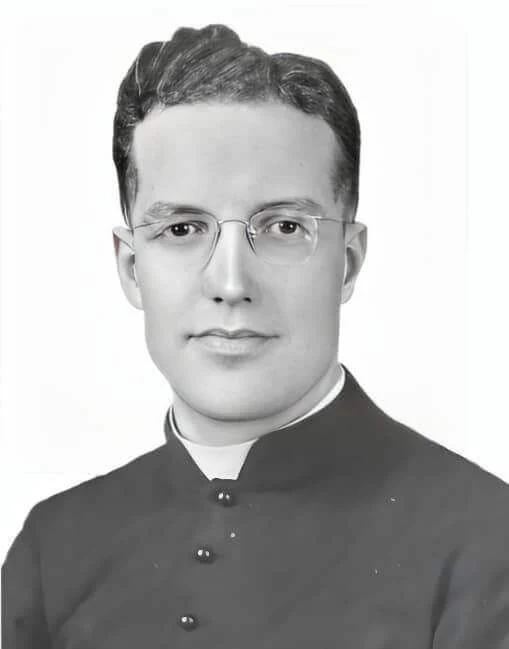
Gérard Labrie at Blanc-Sablon
The young Eudist priest joined the fishing community of Blanc-Sablon in the early 1940s.
Read the story →History · Mission · Heritage
In the early 1900s, France was swept by strong anti-clerical sentiment. A law separating Church and state was adopted in 1905. Many priests therefore left France for Canada. The first group of fourteen Eudist missionaries landed on the North Shore in 1903. Through their educational mission, the Eudists left a lasting mark on the development of the region.
A historical journey through the communities served by the Eudists.
Explore the parishes ↓These accounts trace the Eudist presence across different periods; references to ministry come from the archives.
Blanc-Sablon · Lower North Shore
The young Eudist priest joined the fishing community of Blanc-Sablon in the early 1940s.
Read the story →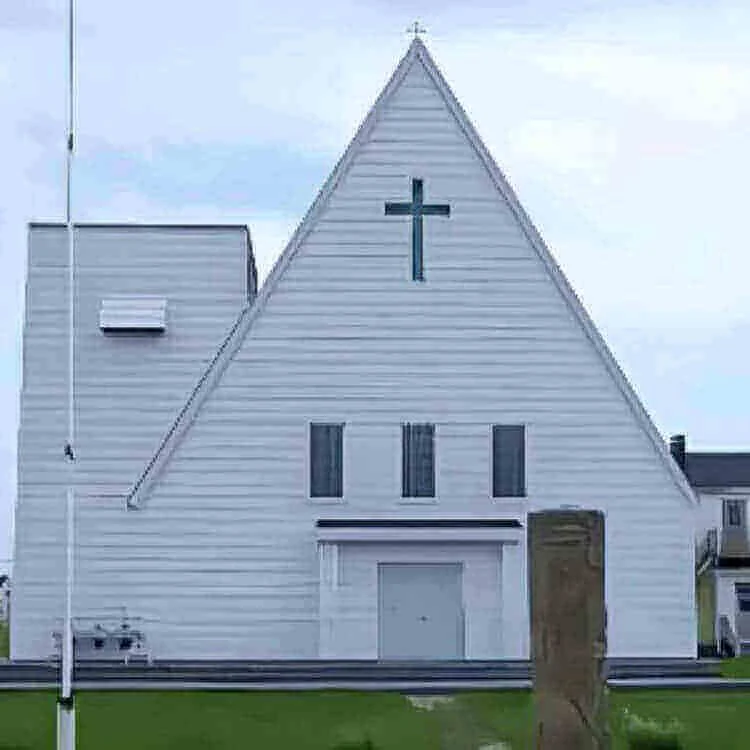
Anticosti
Saint-Alfred Parish, later named Our Lady of the Assumption, is in Port-Menier, at the western tip of Anticosti Island. The first Eudists arrived on the island in 1904 and served its people from that year onward. The island’s successive owners, chocolatier Henri Menier and Consolidated Bathurst Limited, supported the priests. In 1971, Father Joachim Lapointe had to leave his post for health reasons; he was the last resident Eudist parish priest.

Baie-Comeau
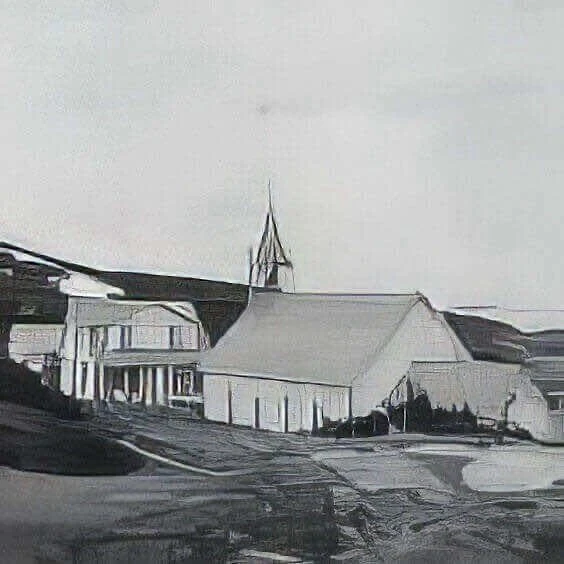
Baie-Comeau, on the North Shore of the St. Lawrence, was incorporated in 1937 and named after the area’s best-known figure, Napoléon Alexandre Comeau. The city was founded around the newspaper industry established by the “Quebec North Shore Company.” Its owner, Colonel Robert R. McCormick, was also the city’s founder.
Baie-Rouge
This small parish lies nearly halfway between Blanc-Sablon and Natashquan. The first Eudist to take charge was Bishop Napoléon-Alexandre Labrie. Fathers Alfred Poulin and Félix Michaud succeeded him.

Betsiamites (Pessamit)
The village of Betsiamites lies halfway between Forestville and Baie-Comeau. Most residents are Innu; in 1936, the majority did not speak French. Because the village is in a mountainous area with a short summer, little farming was possible. Residents relied mainly on hunting and fishing.
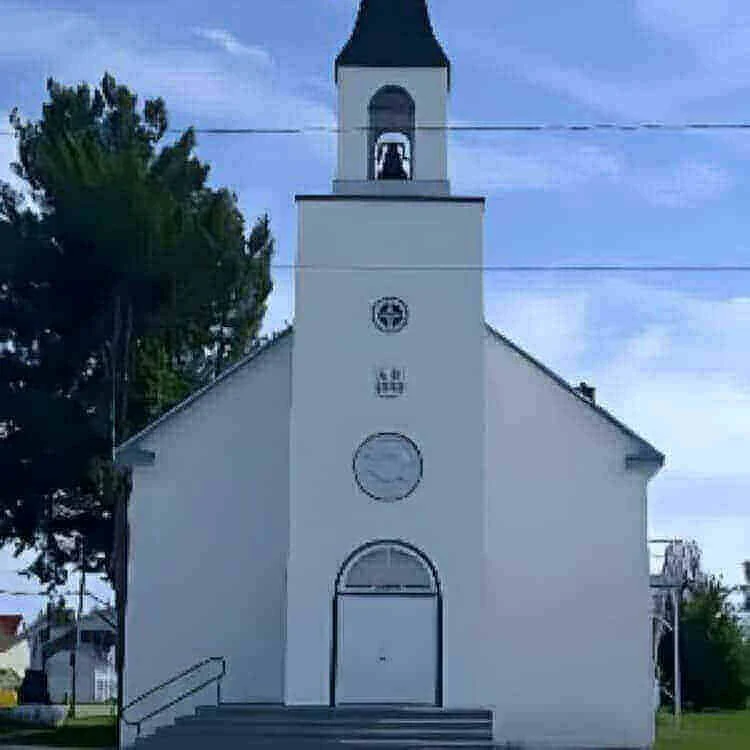
Clarke City
Saint-Cœur-de-Marie Parish in Clarke City is about 30 kilometres from Sept-Îles. The town takes its name from the Clarke brothers, who established a pulp mill there in 1901 and a hydroelectric plant in 1908. The village was officially founded in 1908, but the parish was not canonically established until 1948.

Fermont
The new parish of the Resurrection was established on October 6, 1972. Its history is closely tied to the Québec-Cartier mining facilities and the founding of Fermont. On October 8, 1972, Bishop Gérard Couturier of Hauterive appointed Father Jean Poitras as parish priest; another Eudist joined him as vicar in 1974. The Eudists were replaced by the Missionary Oblates of Mary Immaculate in 1978.
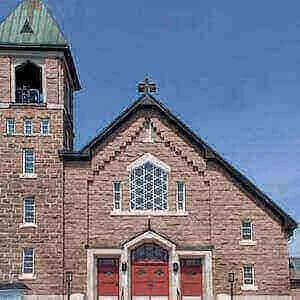
Forestville
Forestville’s development truly began in 1941, when many workers arrived to find jobs in the forestry industry or at the Betsiamites River dam site. Saint Luke Parish was established in 1947, and that same year Bishop N.A. Labrie appointed Father Luc Sirois as parish priest. He remained there until his death in 1961. The Eudists provided pastoral care to the parish from 1945 to 1963. Since 1996, two Eudists have once again served this Christian community.
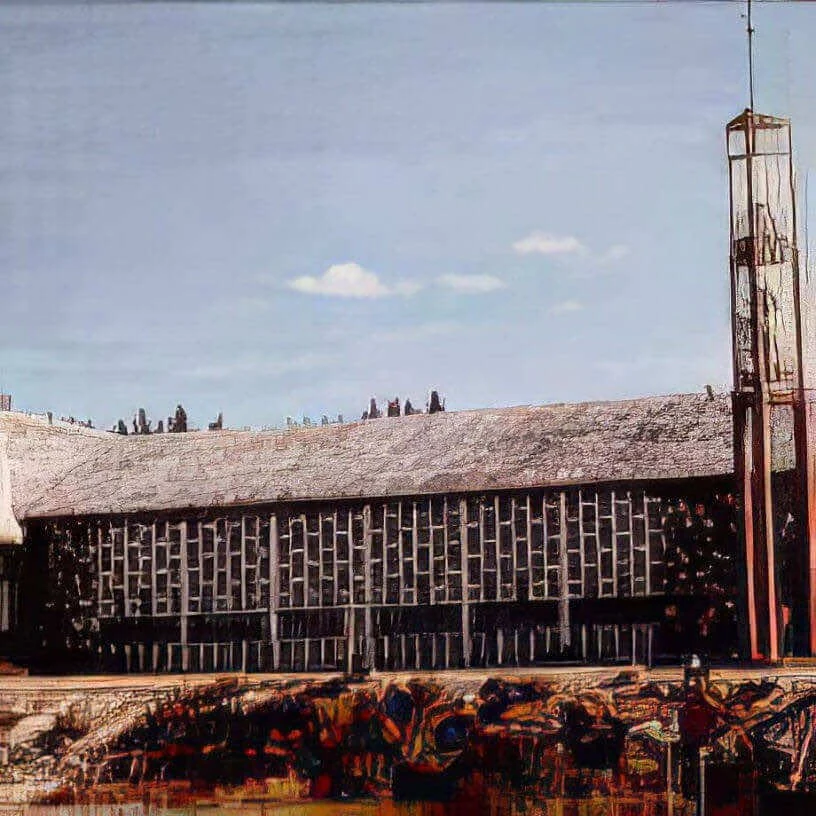
Gagnon
The mining town of Gagnon, named in honour of former Quebec mines minister and Lieutenant Governor Onésime Gagnon, was incorporated in 1960. It originated with the Québec Cartier mining company. Saint Jean-Marie-Vianney Parish was canonically established on June 9, 1960. The Eudists took charge in 1962 and served the community until 1979. The town of Gagnon no longer exists.

Godbout
Saint Anne Parish in Godbout occupies the back of a bay stretching between Pointe-des-Monts and the mouth of the Godbout River. The village is named after navigator Nicolas Godbout, who established the first fur-trading post there. In 1923, a wood-barking plant brought workers and their families to settle in the area. Godbout is the birthplace of Bishop Napoléon-Alexandre Labrie.
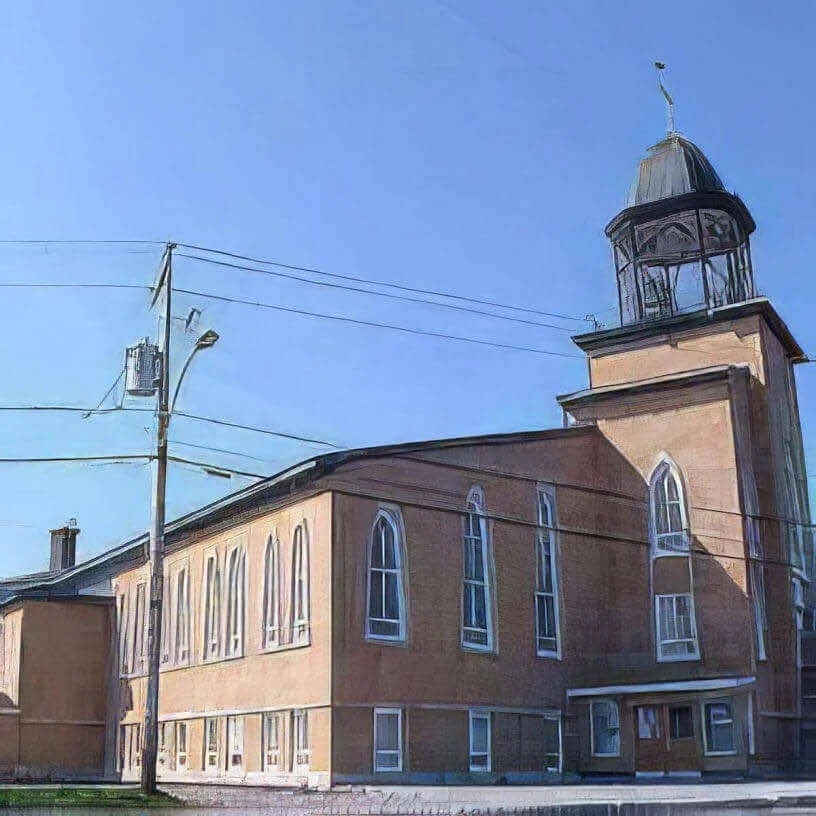
Havre-Saint-Pierre
In 1857, six fishing families settled at Pointe-aux-Esquimaux; twelve more joined them the following year. The name Pointe-aux-Esquimaux was later replaced by Havre-Saint-Pierre, in honour of Saint Peter, patron saint of fishermen. For many years, residents fished or worked in the lumber camps. Today, mining has taken the place of fishing.

Labrieville North and South
Two works entrusted to the Eudists between 1954 and 1960 were located in Labrieville. The first was Saint Maurice Parish in Labrieville North, about 150 kilometres from Forestville. The second was Labrieville South, also called “Bersimis 2” or “Mile 45,” at the second dam on the Bersimis River. Lac Cassé is part of Labrieville South. Both communities grew out of dams built by the Quebec Hydro-Electric Commission on the Bersimis River. The vast construction projects brought many workers who needed pastoral care.

Longue-Pointe-de-Mingan
Saint Francis of Assisi Parish in Longue-Pointe-de-Mingan is about 16 kilometres from Rivière-Saint-Jean. In 1849, the first family to settle there was that of Thaddée Leblanc, originally from L’Anse-du-Cap in Gaspésie. The first residents lived mainly by hunting and fishing. A school and the first chapel were built in 1885. Twenty years later, a church replaced the chapel, which had become too small. In 1940, several families moved to the area to work on the construction of an American military airport.
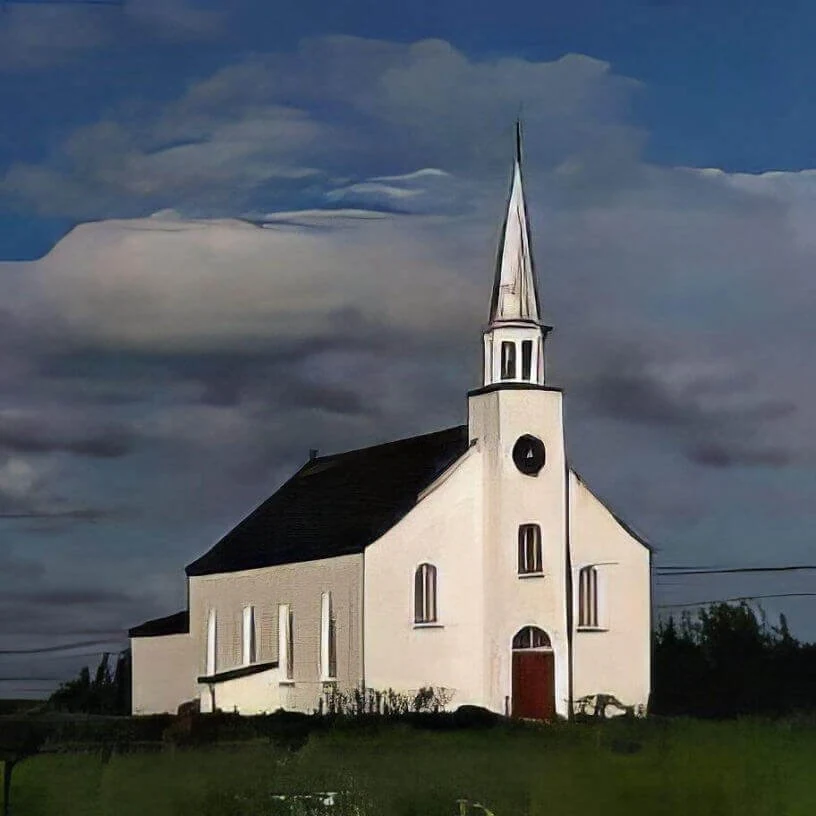
Magpie
Saint Octave Parish in Magpie is on the St. Lawrence, 145 kilometres east of Sept-Îles. Magpie’s history dates to 1849, when Jean Girard settled there with his sons William and Jean-Baptiste. They mainly fished, but also farmed and hunted. The first chapel was built near the mouth of the Magpie River in 1862. From 1903 to 1911, Father Joseph-Étienne Gallix served the parish. In 1912, Bishop Gustave Blanche, Apostolic Vicar, moved the priests’ residence to the central post at Rivière-Saint-Jean. Eudists continued to serve Magpie afterward, though they did not live there permanently.
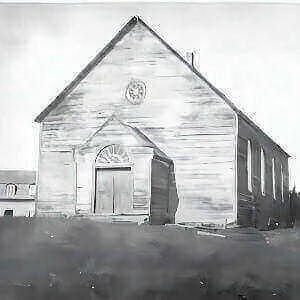
Manicouagan
The municipality of Manicouagan was founded by the Jalbert brothers, who built a sawmill at the mouth of the Amédée River in 1899. They sold it in 1900 to R.H. Scougall, under whose administration religious life took shape. When the Eudists arrived at Manicouagan in 1903, there were barely thirty houses, a rectory, and an unfinished chapel. They served there until 1909. In 1949, the former industrial village came back to life: Bishop Labrie chose the site for Hauterive, which became the seat of his diocese.

Natashquan
Long known as “Fishing Country” or the “Kingdom of Sand,” Natashquan is now known as the home of poet Gilles Vigneault. It was the first organized municipality on the North Shore. The village was founded in 1855 by about ten families from the Magdalen Islands: the Vigneaults, Landrys, Cormiers, and Giassons. At the time, the Hudson’s Bay Company had a post there, along with an Indigenous reserve. The Eudists arrived in 1903 and shared their parishioners’ isolation for 45 years.
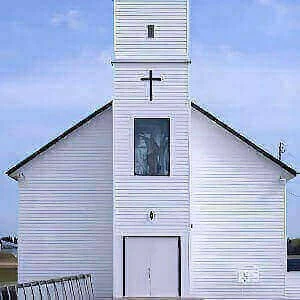
Pointe-aux-Outardes
The registers of this North Shore parish, a few kilometres from Baie-Comeau, begin on September 8, 1930. The first entry is a baptism signed by the future Bishop Napoléon-Alexandre Labrie, who served as missionary there from 1930 to 1932. Three other Eudists—Fathers Ludger Lebel, Luc Sirois, and Joseph-Édouard Legresley—served there in succession until 1948.
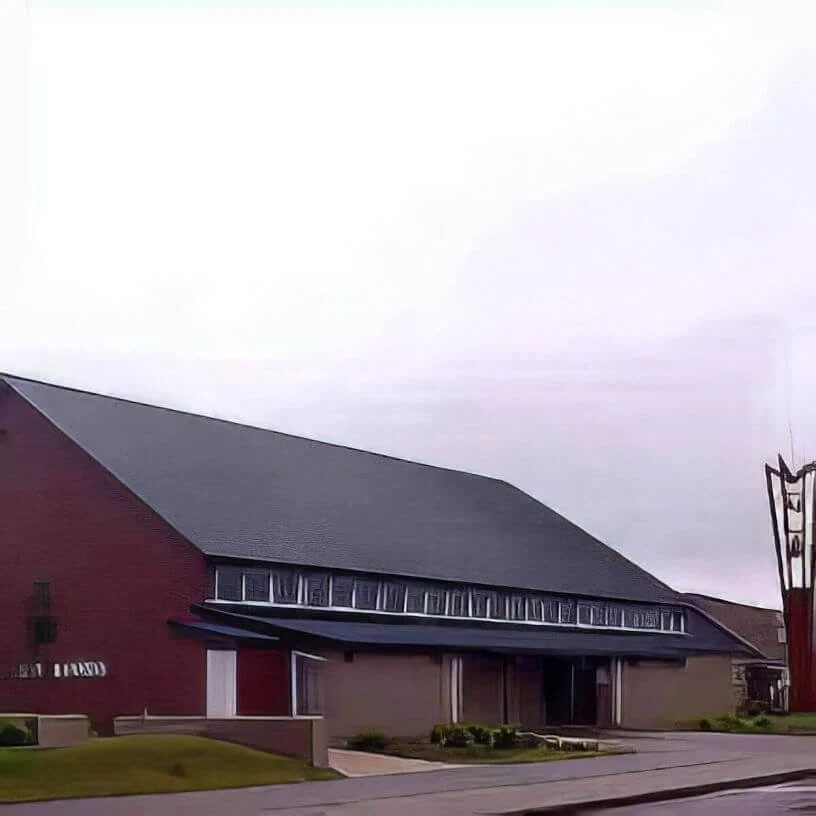
Port-Cartier
Port-Cartier has existed since 1959. The Québec Cartier mining company built it to house its employees and their families, and installed the infrastructure needed to handle and transport iron ore. The Eudists arrived at Saint Alexander Parish in 1966 and served there until 1973.
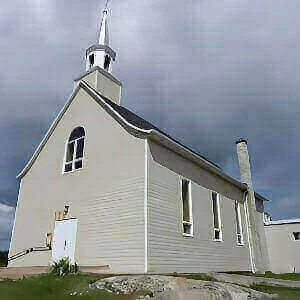
Rivière-Pentecôte
The Eudists arrived on the North Shore in 1903, and Rivière-Pentecôte was one of the first parishes they served. From 1903 to 1949, the Fathers at Rivière-Pentecôte also provided pastoral care to the missions of Baie-Trinité, Îlets-Caribou, Pointe-aux-Anglais, and Shelter Bay.
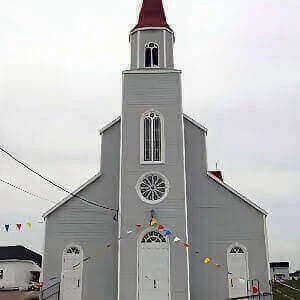
Rivière-au-Tonnerre
Rivière-au-Tonnerre was one of the first parishes served by the Eudists when they arrived on the North Shore. Most residents were Acadian fishermen. Fishing, farming, and jobs in the lumber camps barely met the community’s needs. The Eudists therefore played a social, economic, and even political role in addition to their ministry. This was especially true of Father Louis Garnier, known as “the Curé Labelle of the North Shore,” who spent 27 years at Rivière-au-Tonnerre. The missionaries there also served Sheldrake, Le Dock, Rivière-aux-Graines, La Chaloupe, Momitou, and Rigou.

Rivière-Saint-Jean
The Eudists arrived at Magpie and Rivière-Saint-Jean in the summer of 1903. Father Étienne Gallix settled in Magpie and Father Joseph Gallix in Rivière-Saint-Jean. Father Joseph built a church at the mission in Longue-Pointe. Father Joseph LeStrat arrived there in 1914 and, over the next 14 years, completed the rectory, repaired the church, and oversaw the construction of a road and a bridge. In the early 1930s, Father Arthur Gallant secured government funding for a school better suited to the community’s needs.
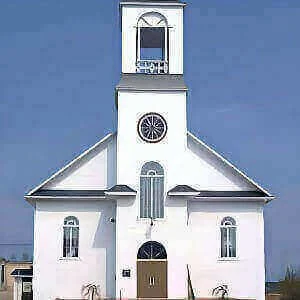
Ruisseau-Vert (Ragueneau)
Saint John Eudes Parish in Ragueneau, also known as Ruisseau-Vert, is on the Upper North Shore near Manicouagan. The Eudist presence dates to 1934. Fathers Siméon Comeau, Joseph-Édouard Legresley, Auguste Richard, and Jean Taillardat provided pastoral care until 1958. They also served the lumber camps at Chute-aux-Outardes. The parish population was quite poor, but the economy improved after jobs were created by the lumber camps in 1936.
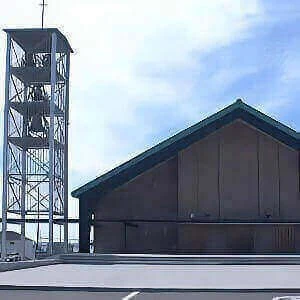
Sept-Îles
Acadian and Canadian settlers came to the area with the first trading posts in the late 18th century. The Eudists served Saint Joseph Parish for 50 years, from 1903 to 1953. They also served the missions of Saint-Augustin, Mingan, Musquaro, Moisie, and Matamek. Sept-Îles was Bishop Gustave Blanche’s episcopal city from 1906 to 1916.

Shelter Bay (Port-Cartier)
The Eudists served Sacred Heart of Jesus Parish in Shelter Bay from 1926 to 1947. Before that, Shelter Bay was a mission of Rivière-Pentecôte. The four Eudists who served there in succession were Fathers Lucien Bourque, François Bréard, Louis-Philippe Gagné, and Joachim Lapointe. They also regularly visited about forty nearby lumber camps and provided pastoral care to a thousand loggers.

Colombier
Saint Thérèse Parish was founded in 1937, but most parishioners arrived in the fall of 1938 with their parish priest, Father Arthur Gallant, who remained in the village until 1951. His successor, Father Jean Taillardat, left in 1961.
Music: Luc Perron and Vincent Brauer. Arrangements: Geneviève Simard. Accompanist: Violette Simard. Soloist: Luc Perron.