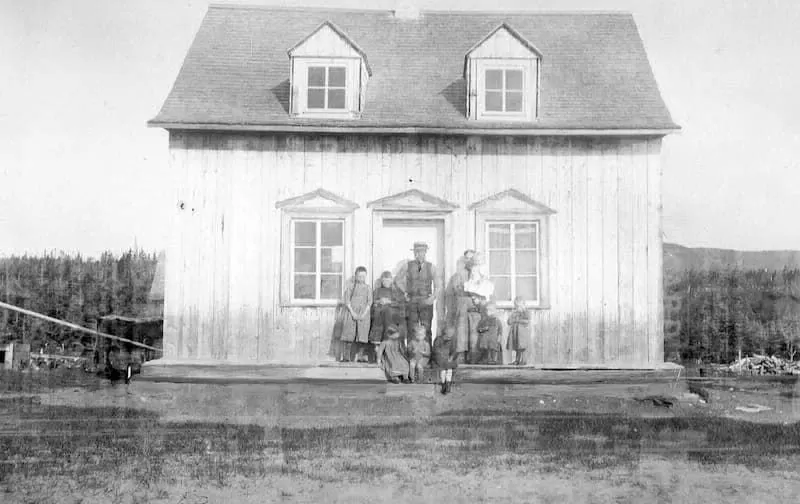
Birth in Godbout
Born on August 5, Napoléon-Alexandre is the thirteenth of the fourteen children of Alfred Labrie and Victoria Gagné. He is the only one in his family to pursue studies.
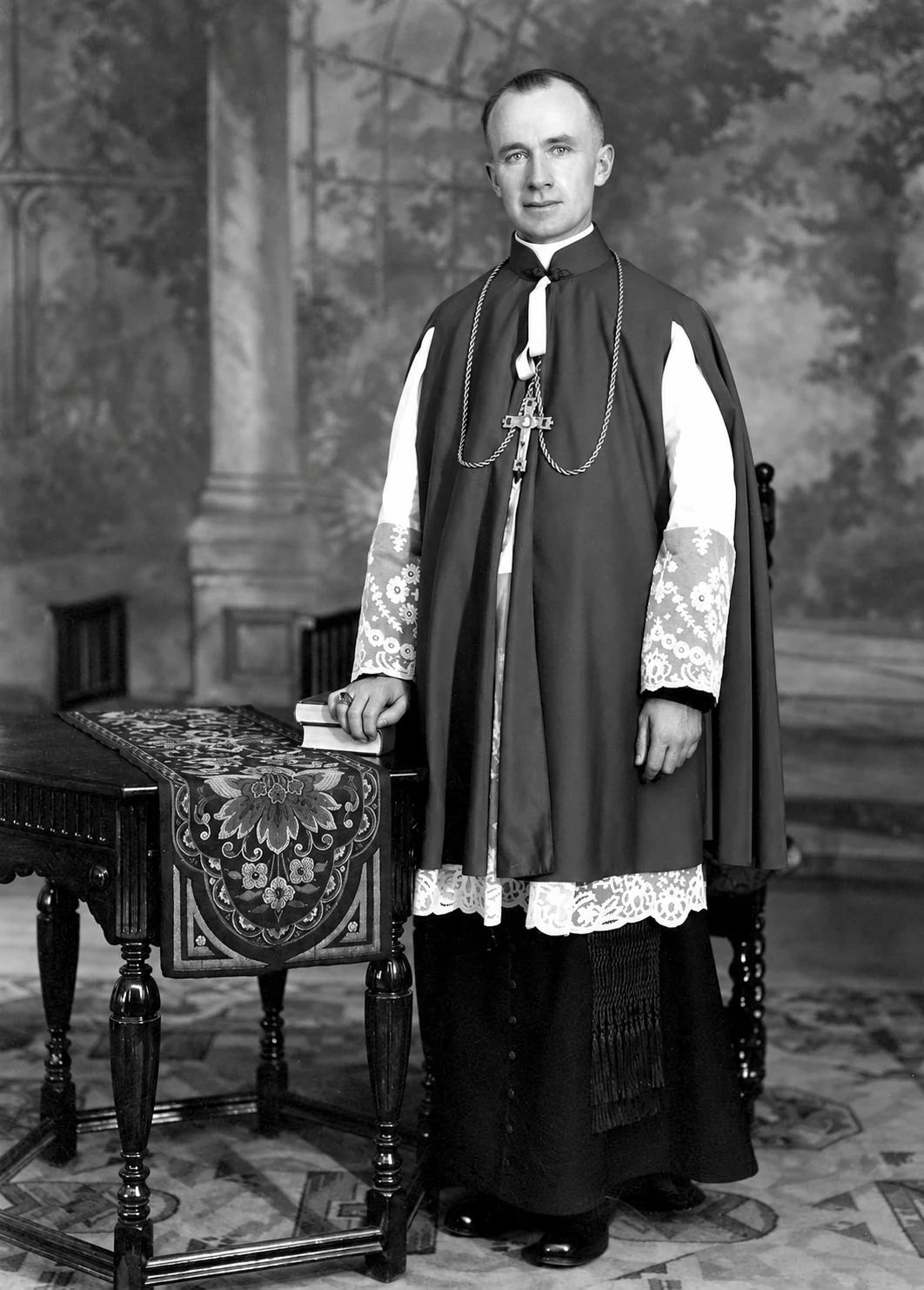
Eudist · Missionary · First bishop of Baie-Comeau
An exceptional being and a defender of the workers of the North Shore.
Born in Godbout on August 5, 1893, Mgr Labrie devoted his life to the communities of the North Shore. Missionary to the Innu, educator and founder of the diocese of Baie-Comeau, he defended human development and workers' rights.
“This man was an environmentalist before his time. And a visionary…” — Gilles Vigneault
1893 — 1973
Eudist priest, missionary and bishop, Napoléon-Alexandre Labrie helped shape the institutions and collective life of a vast region.
Born on August 5, Napoléon-Alexandre is the thirteenth of the fourteen children of Alfred Labrie and Victoria Gagné. He is the only one in his family to pursue studies.
He studied at Godbout, Manicouagan, Pentecost and the Collège Sainte-Anne, then joined the Eudists in 1915. He continued his theology in Rome from 1918 to 1922.
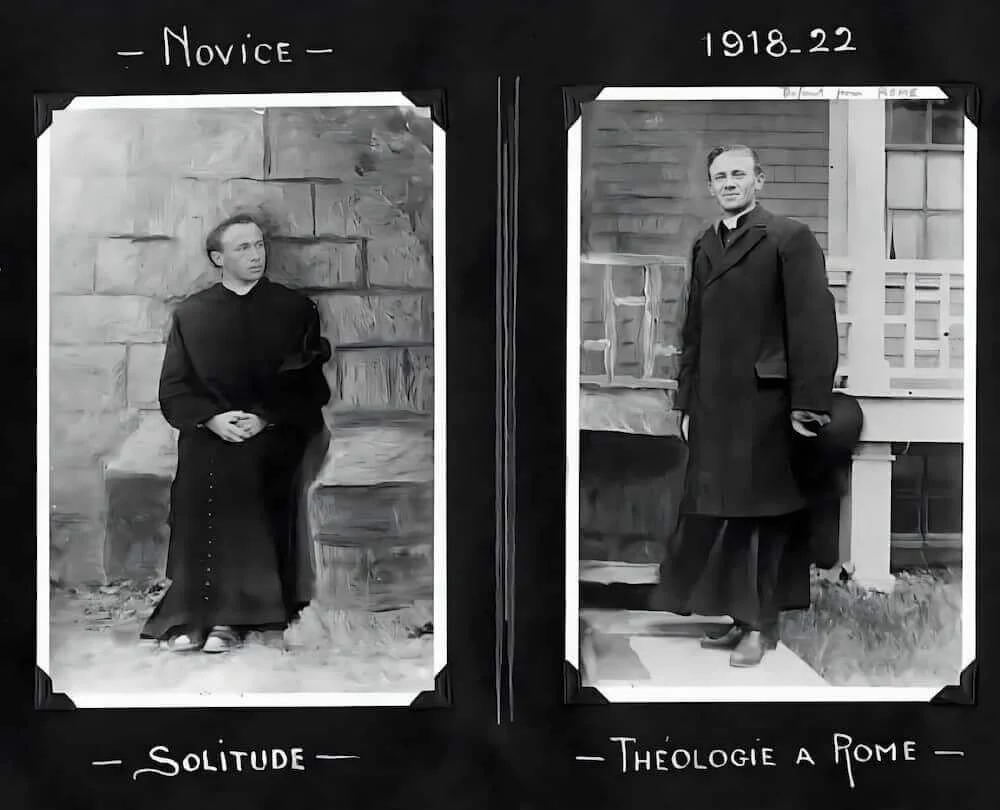
Incorporated into the Congregation of Jesus and Mary in 1919, he was ordained in Rome on April 15, 1922. He celebrated his first mass in Godbout on August 13, before an assembly from the villages of the Coast.
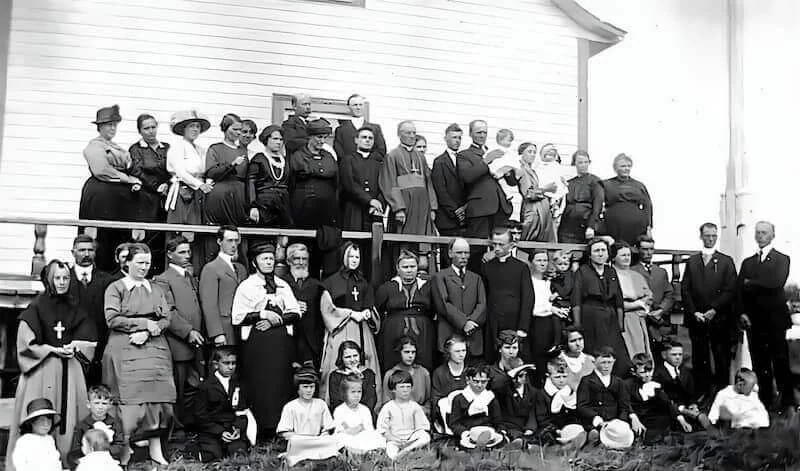
It serves Innu communities and families established along the coast. In Pessamit, he contributed to the construction of a primary school and transformed the old school into a hospital.
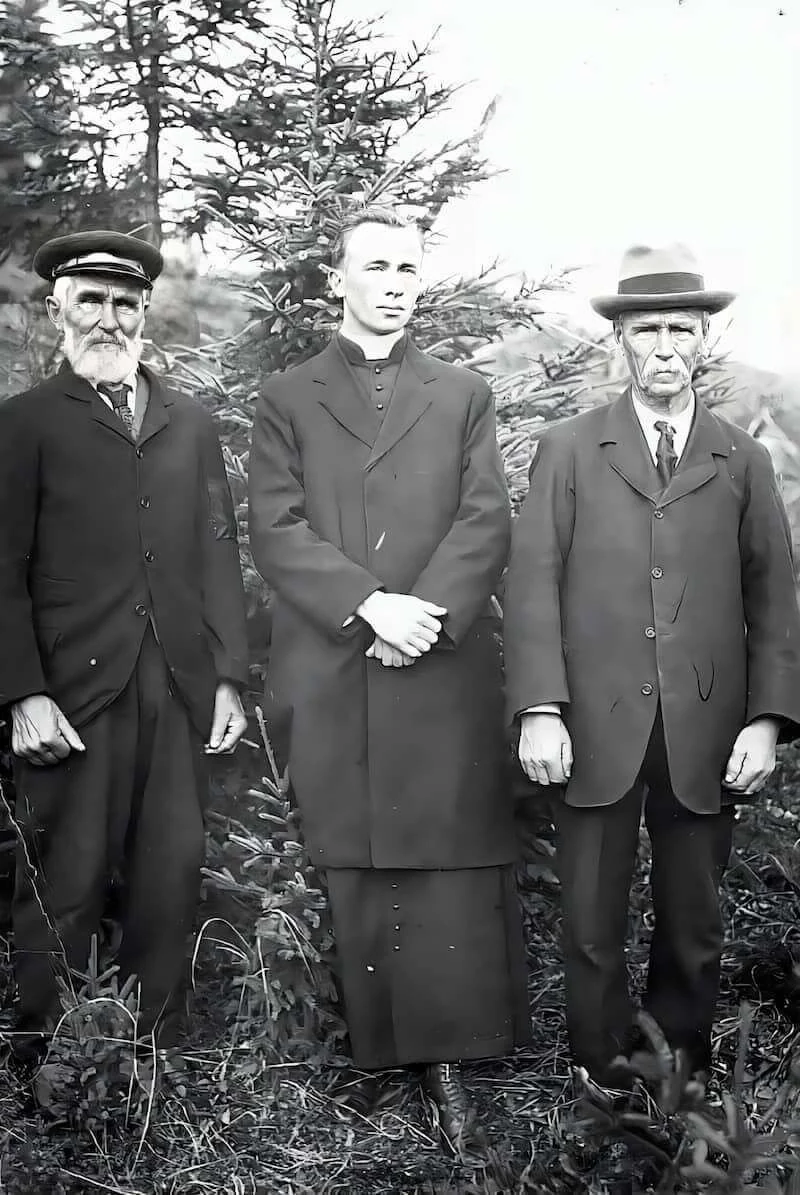
At the head of a territory that extends over more than 700 miles of coastline, he supports communities and defends regional development. In particular, it encourages cooperatives and access to electricity.
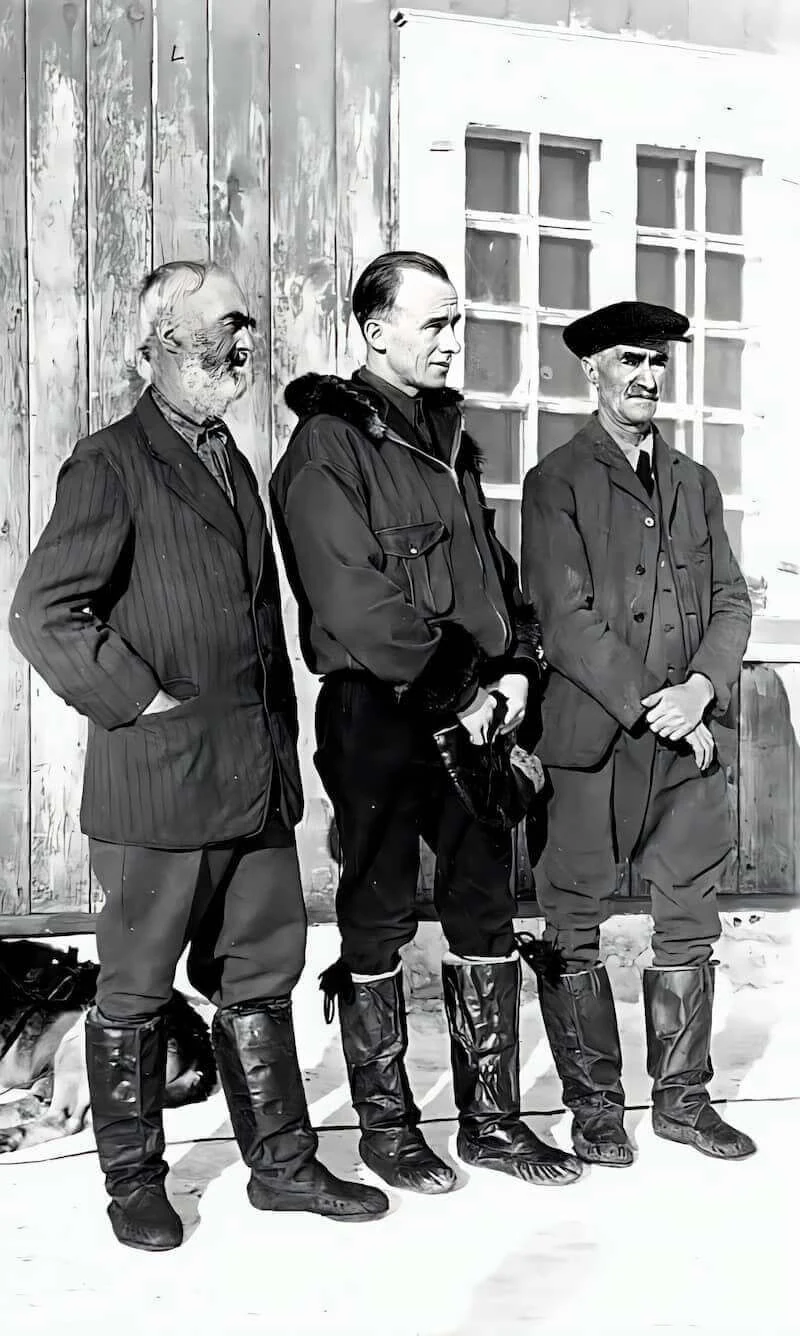
After the founding of the diocese in 1945, he transferred the episcopal see to Baie-Comeau. He helped found Hauterive and establish education and health institutions there, including the first regional hospital open to all.
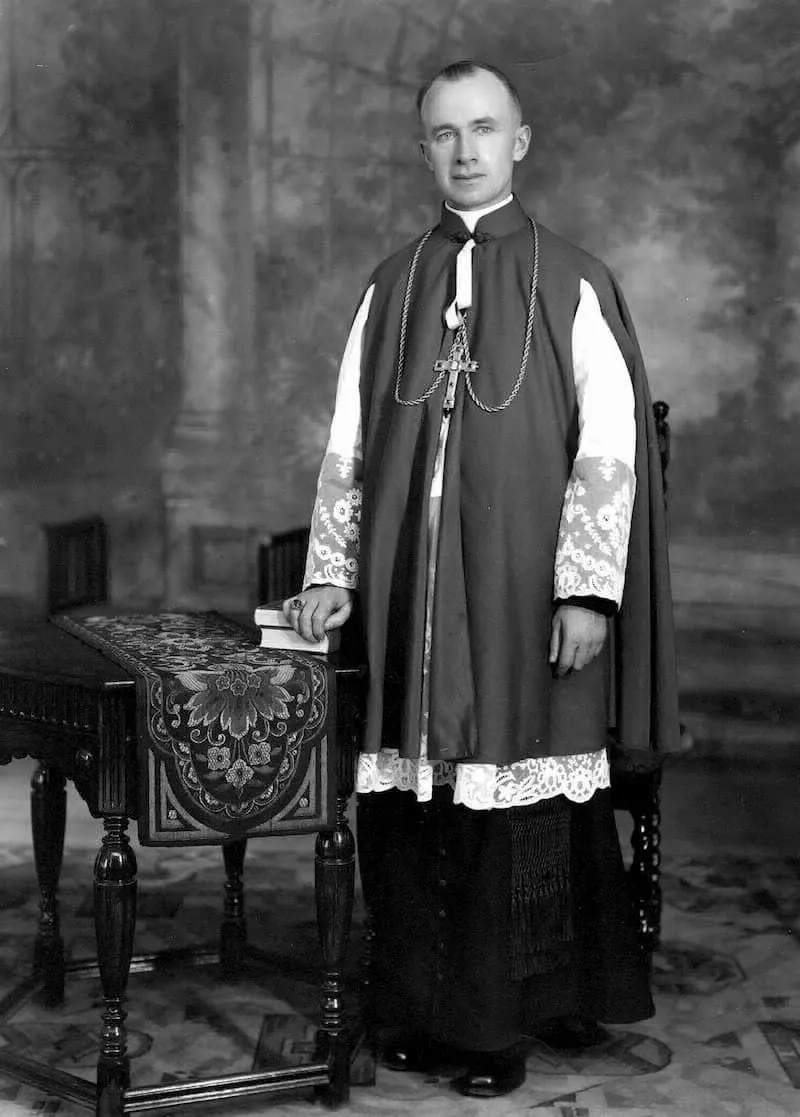
After his resignation in 1956, he directed the French section of the national work of the Propagation of the Faith for ten years.
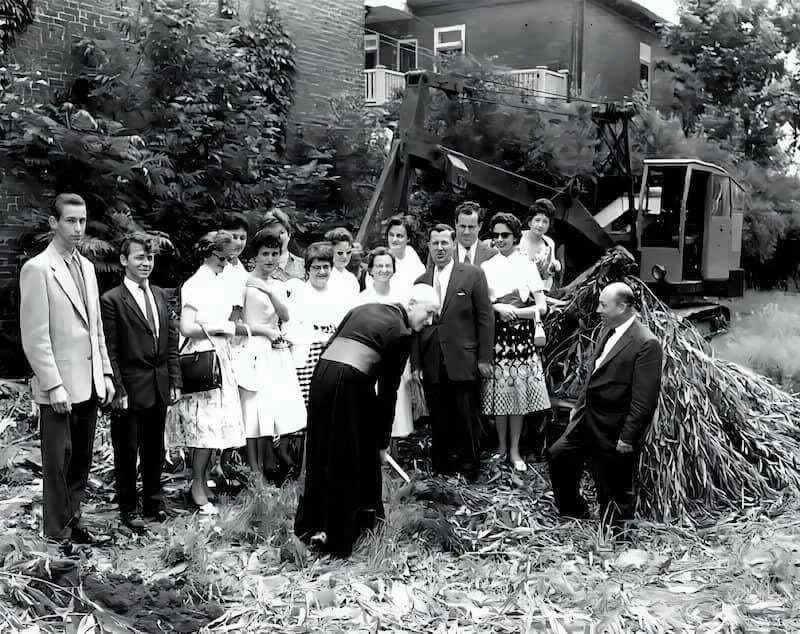
Retired in Charlesbourg since 1967, he died in Quebec on May 16, 1973. In March, the Société nationale des Québécois de la Côte-Nord awarded him its first prize, in recognition of his commitment to the region.
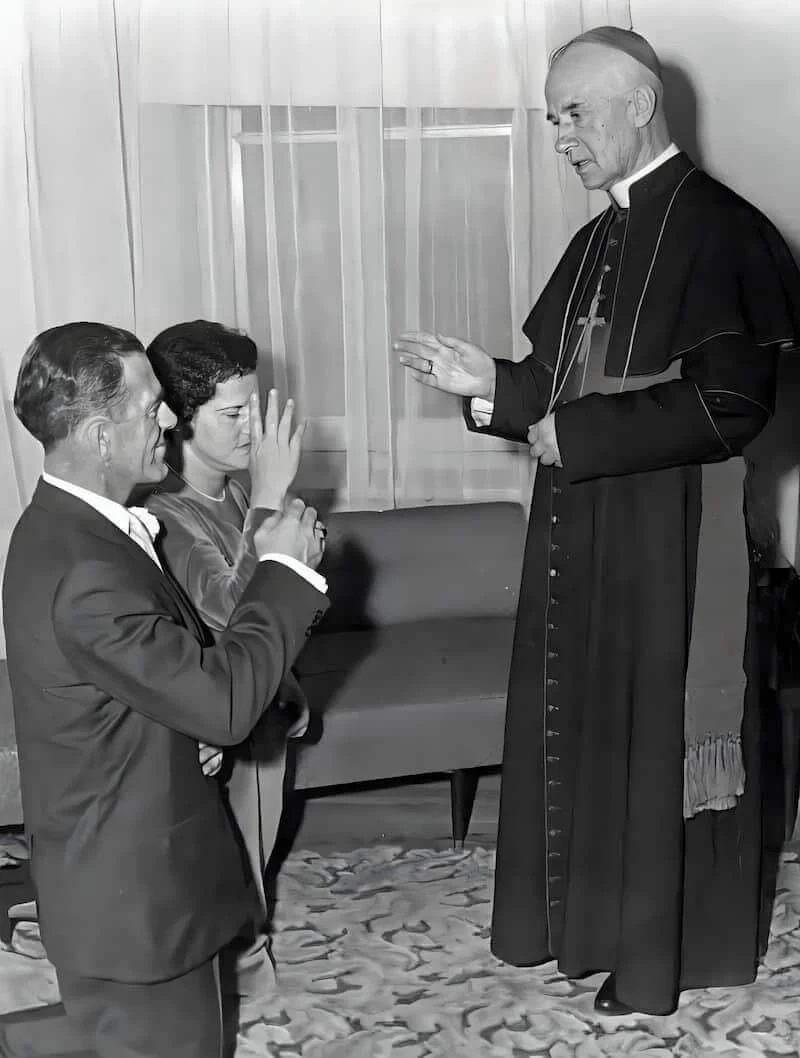
Work · Forest · Social justice
Mgr Labrie took a position on working conditions and the future of the resources of the North Shore. In his pastoral letter on the forest, he recalls that development must serve people and communities, and not just the exploitation of natural resources.
Documentary dedicated to Mgr Labrie and his social commitment.
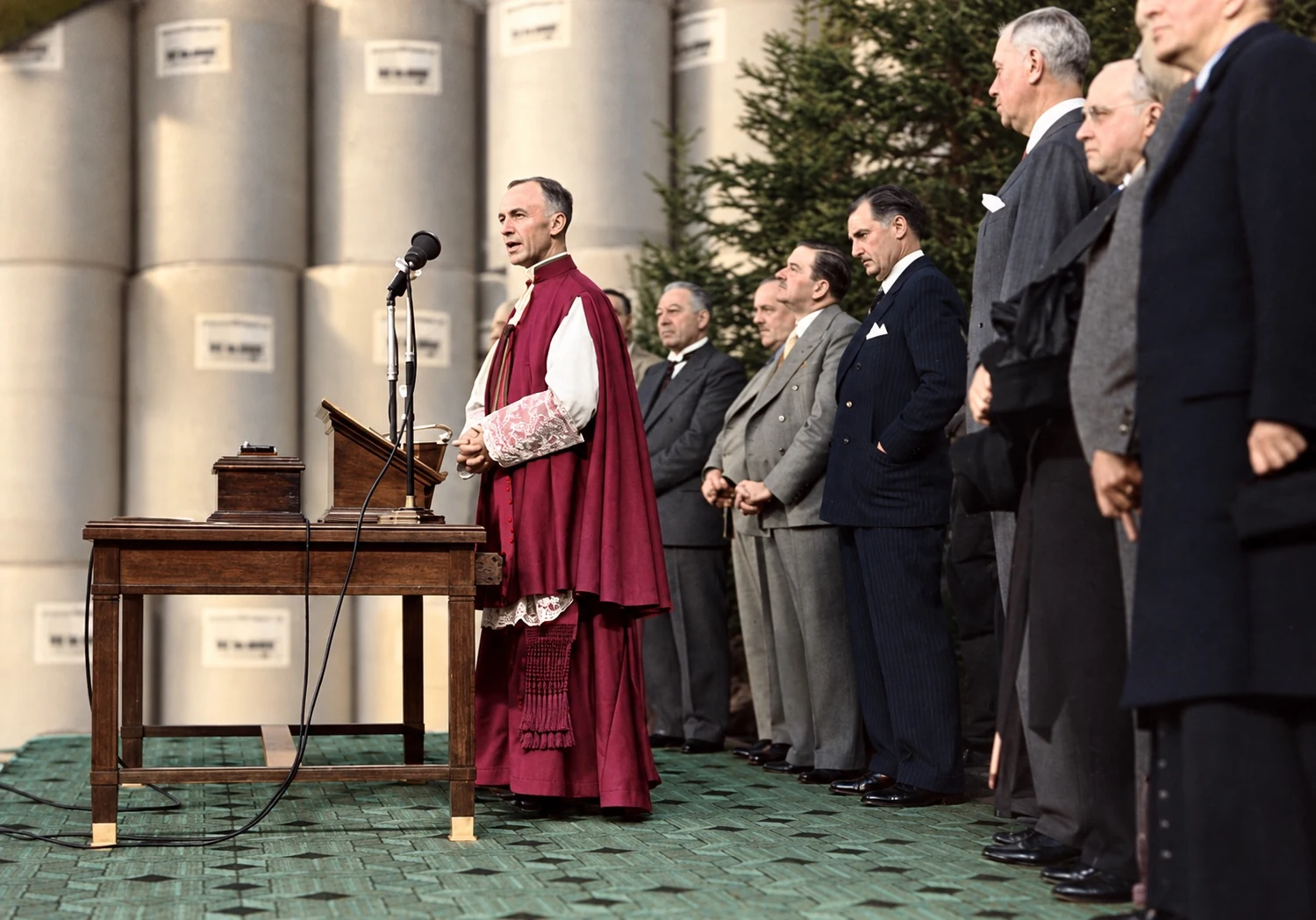
A significant relationship
Bishop Labrie wants the industrial development of his diocese to be better supervised by the government, in the interest of workers. In 1944, he asked Maurice Duplessis to ban “closed cities” on the North Shore.
These towns, also called “company towns,” are run by businesses. The bishop fears that they will promote the anglicization and Americanization of French Canadians. Duplessis responded little to his complaints, while Mgr Labrie's zeal to stimulate the industrialization of his region irritated the prime minister.
In 1955, Mgr Labrie complained to Yves Prévost, Minister of Municipal Affairs, about the “inertia” of the government, which refused to put an end to the regime of closed cities: “With our heads buried in the sand, we wait for the worst. » Prévost forwards the letter to Duplessis, who makes his dissatisfaction known to the bishop:
Would I admit to you that I was painfully surprised and deeply saddened by the tone you gave to part of your letter, especially when thinking of the phenomenal achievements of the National Union at home.
Duplessis' letter lists his government's accomplishments. The exchange marks a break between the bishop of the North Shore and the National Union. Bishop Labrie accuses the Prime Minister of having ignored him during his episcopate and of having refused to meet him to discuss the problems of his region116. He promises to no longer bother him with his writings or his visits, while recognizing what his region owes to the government.
Duplessis gets along better with his successor, Mgr Gérard Couturier. According to Conrad Black, the Prime Minister's insistence on ignoring Bishop Labrie's requests would have contributed to hastening the latter's resignation in 1956. Duplessis, however, remained his “devoted servant” in appearance: he had “Labrieville” baptized in the bishop's honor and said he was proud of this gesture.118, without making their dispute public.
Source: Alexandre Dumas, “The bishops eat from my hand”: relations between Church and State under Maurice Duplessis (1944–1959), Review of the history of French America, flight. 69, no. 4, spring 2016.
Review of the history of French America ↗Schools · Training · Access to knowledge
Bishop Labrie makes education a priority and supports the training of both boys and girls, from primary school to higher education.
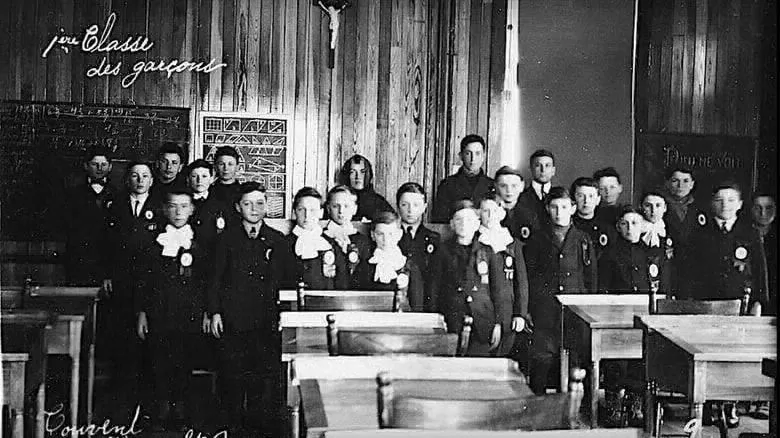
Education of boys and girls
Under his episcopate, schools and normal schools multiplied on the North Shore in order to meet the needs of young people and their families.
The Sisters of Charity in Havre-Saint-Pierre and the Sisters of Holy Cross in Baie-Comeau take part in this educational effort.
Higher education
Mgr Labrie encourages young North Shore residents to continue their studies and take their place in society. He summarizes this ambition as follows:
“We want your children to go up to the altar, discuss law, practice medicine and surgery, build monuments of genius, put industries and businesses into operation, finally we want them to take their place in the sun with their foreheads held high. This was the goal of our whole life. »
Hauterive · 1958–1961
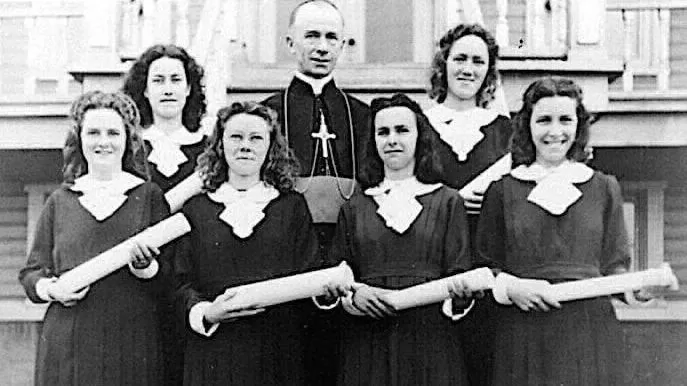
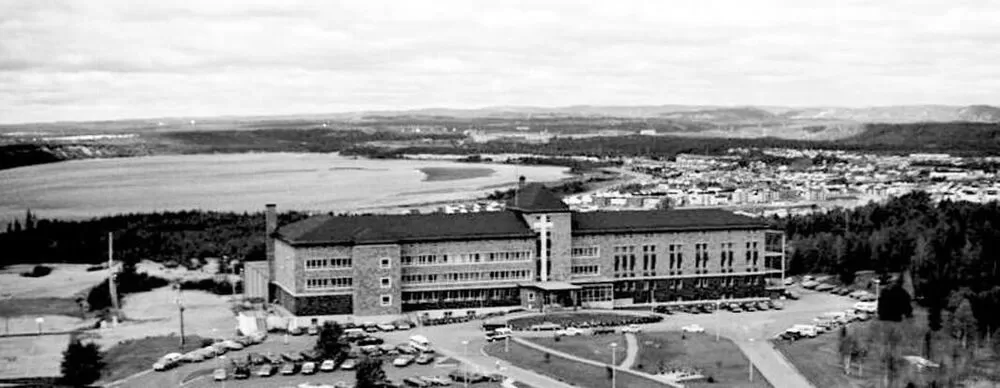
With the help of Mgr Bélanger, Mgr Labrie founded the Classical College of Hauterive. The establishment welcomed boys from 1958, then girls from 1961.
Care · Institutions · Solidarity
By bringing together the region's resources, Mgr Labrie is helping to create a regional hospital in Hauterive open to all. Daniel Le Saunier's story traces this initiative and the role of the people who made it possible.
Hôtel-Dieu Foundation
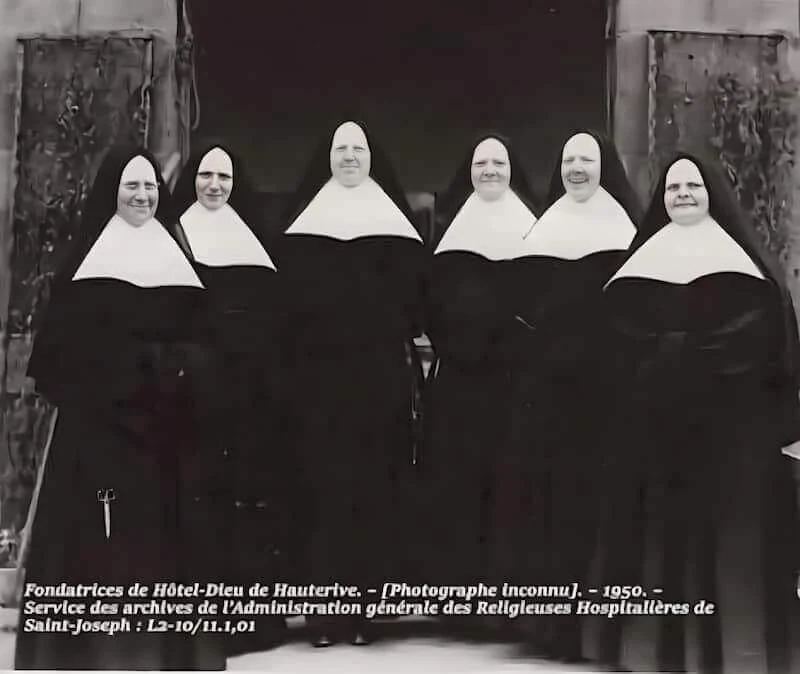
Six Religious Hospitallers of Saint-Joseph leave the Hôtel-Dieu in Montreal to establish a new hospital in Hauterive. Madeleine Morel, one of the town's first residents, remembers their warm welcome despite the separation from their community. Mgr Labrie sees in their arrival a sign of confidence and hope for the young city.
1949 · An emergency solution
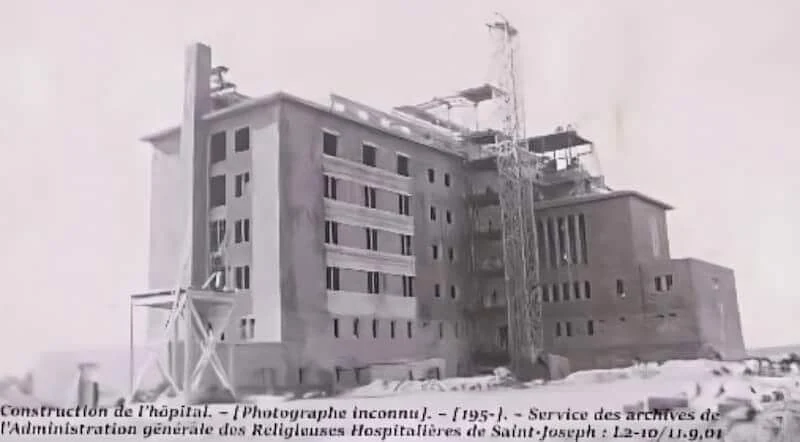
The government is slow to finance the hospital, arguing that Hauterive is not yet a city. In 1949, Mgr Labrie decided to temporarily build the future hospital in his bishopric, then the first large building in the new city. This decision allows families to access care while the Hôtel-Dieu project continues.
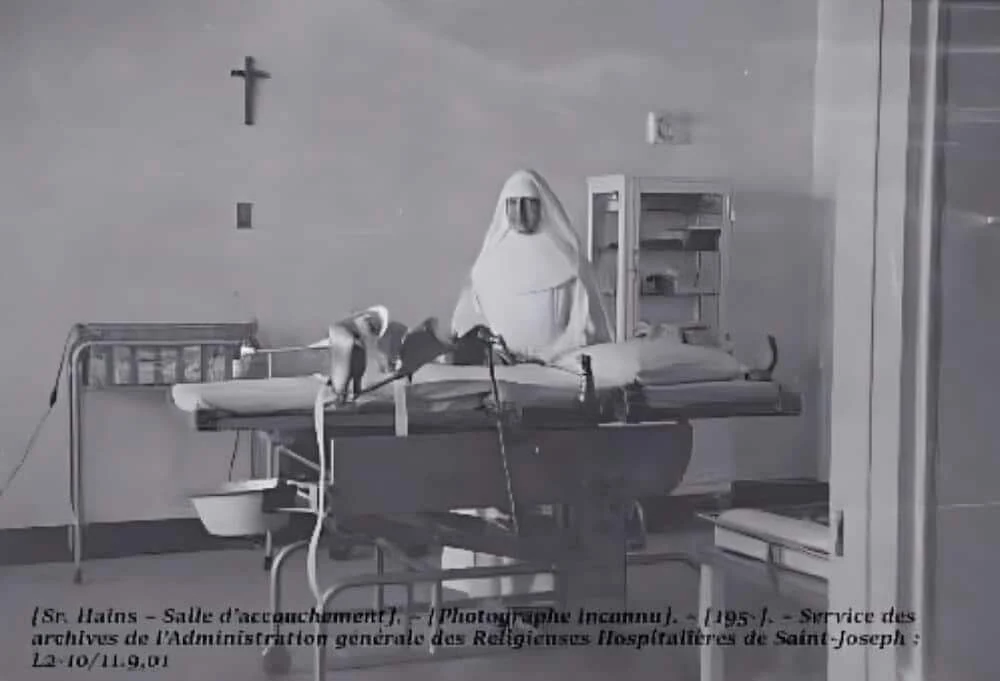
Training of nursing staff
A few years after opening, Hôtel-Dieu celebrated the first eleven graduates of its auxiliary nursing school. In the 1960s, the hospital received around a thousand births per year. Mgr Labrie's initiative helps thousands of people settle in Manicouagan knowing that they will be able to count on essential care.
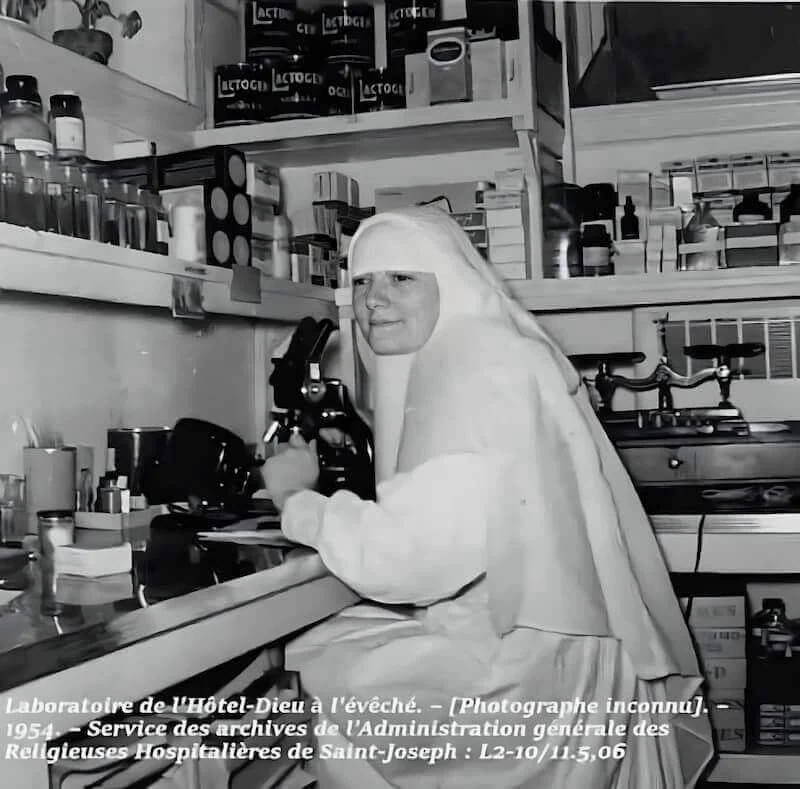
Financing · 1954
To complete the Hôtel-Dieu, the Religious Hospitallers borrowed a million dollars. When the site opened in August 1954, Mgr Labrie placed medals, coins, journals and relics of Jeanne Mance, founder of the Hôtel-Dieu de Montréal, in the cornerstone.
The four photographs in this section are published with the permission of the Religious Hospitallers of Saint-Joseph.
Memory and testimonies
The document by Pierre Frenette, of the Société historique de la Côte-Nord, traces the history of the Baie-Comeau Regional Hospital Center.
View the original document ↗Archive images on the construction of the bishopric and the laying of the cornerstone.
Open the video on YouTube ↗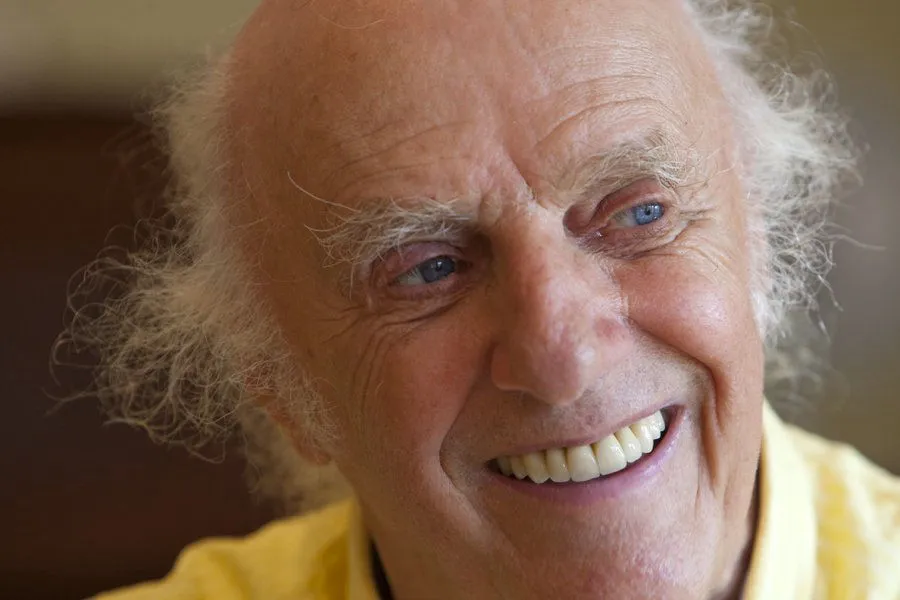
Testimonial · Gilles Vigneault
In September 1942, Gilles Vigneault left Natashquan aboard the Sand Island to continue his classical studies at the Rimouski seminary. Mgr Labrie had two young people from the village chosen, the son of the telegraphist Patrice Vigneault and the son of a fisherman, Gilles. This aid opened the way to studies without requiring them to become priests.
Gilles only really met the bishop in 1947, during a Christmas vacation in Baie-Comeau. He discovers a reserved, attentive man, who welcomes him like a friend and a father. When he confides to him that his attraction to priestly life is fading, Mgr Labrie invites him to freely choose his path:
“My dear Gilles, really do what you want… deep down inside yourself. But please, do something! »— Mgr Labrie, according to the memory of Gilles Vigneault
The testimony also recounts their exchanges around piccolo, music and poetry. Mgr Labrie reminds him that talent needs to be worked on: “Talent is a wild horse. To harness it, it takes time. » He encouraged the young man to write and continue his studies.
Vigneault finally remembers a bishop who put his knowledge at the service of others, visionary in his defense of workers and the development of the North Shore.
During the holidays, Gilles and Patrice serve mass in the small chapel set up in the living room of the house where Mgr Labrie and his assistant, Mgr Bélanger, live. They share meals with their hosts and Délima, who takes care of the kitchen and the sacristy. Vigneault keeps the memory of great generosity, offered without demanding anything in return.
One stormy day, the bishop asks him to show him his poems. He reads them carefully, encourages her to continue and talks to her about the importance of studying. He introduced him to Brahms, carefully corrected his French and encouraged him to nourish his curiosity. For Vigneault, Mgr Labrie thus opened up access to the world of writing.
“This man was an environmentalist before his time. And a visionary. »— Gilles Vigneault
The text by Gilles Vigneault appeared in The Church of Baie-Comeau, in addition to The Canadian Church, June 3, 1993. It was read by Daniel Le Saunier.
Listen to the testimony
Testimonies and memory
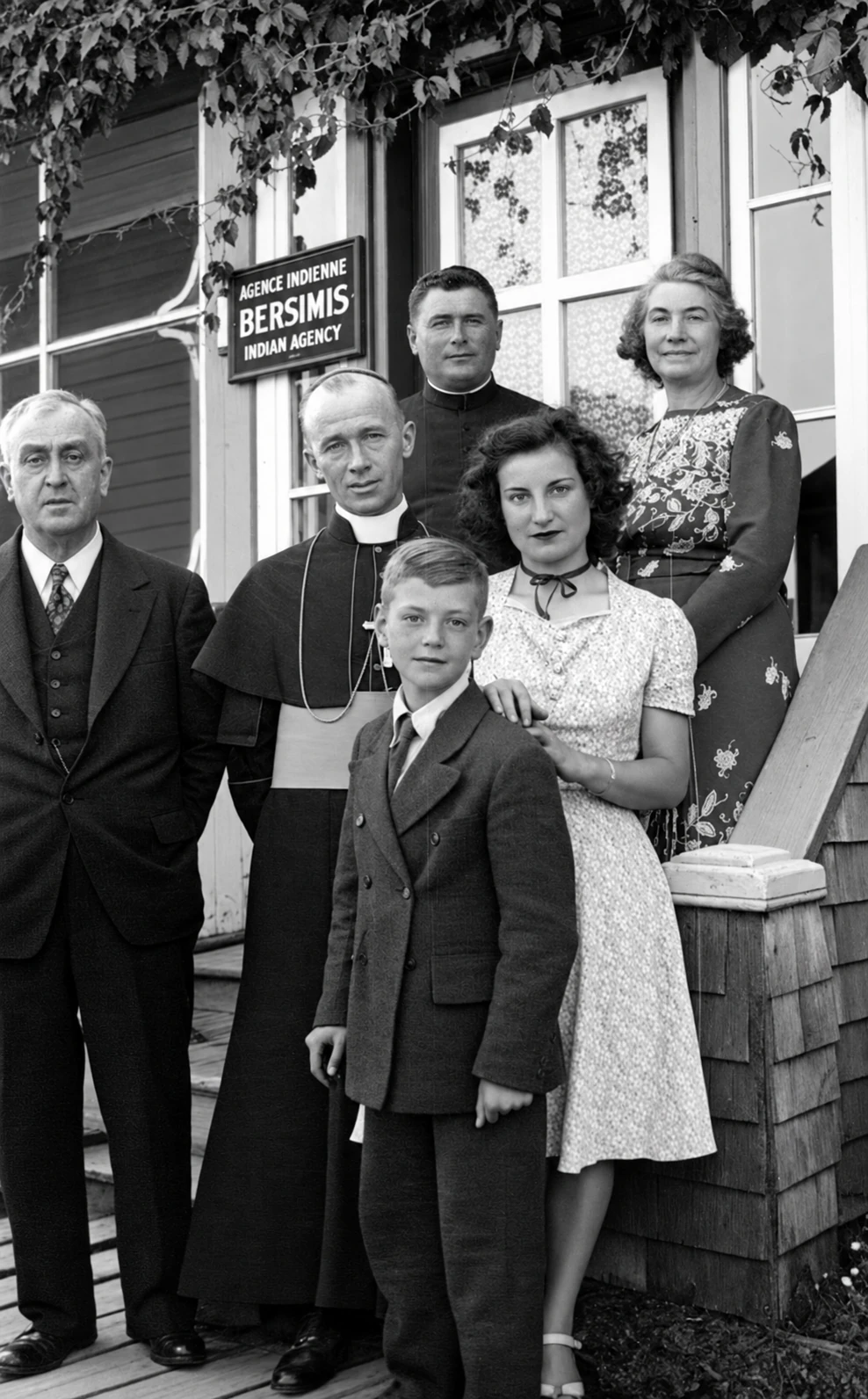
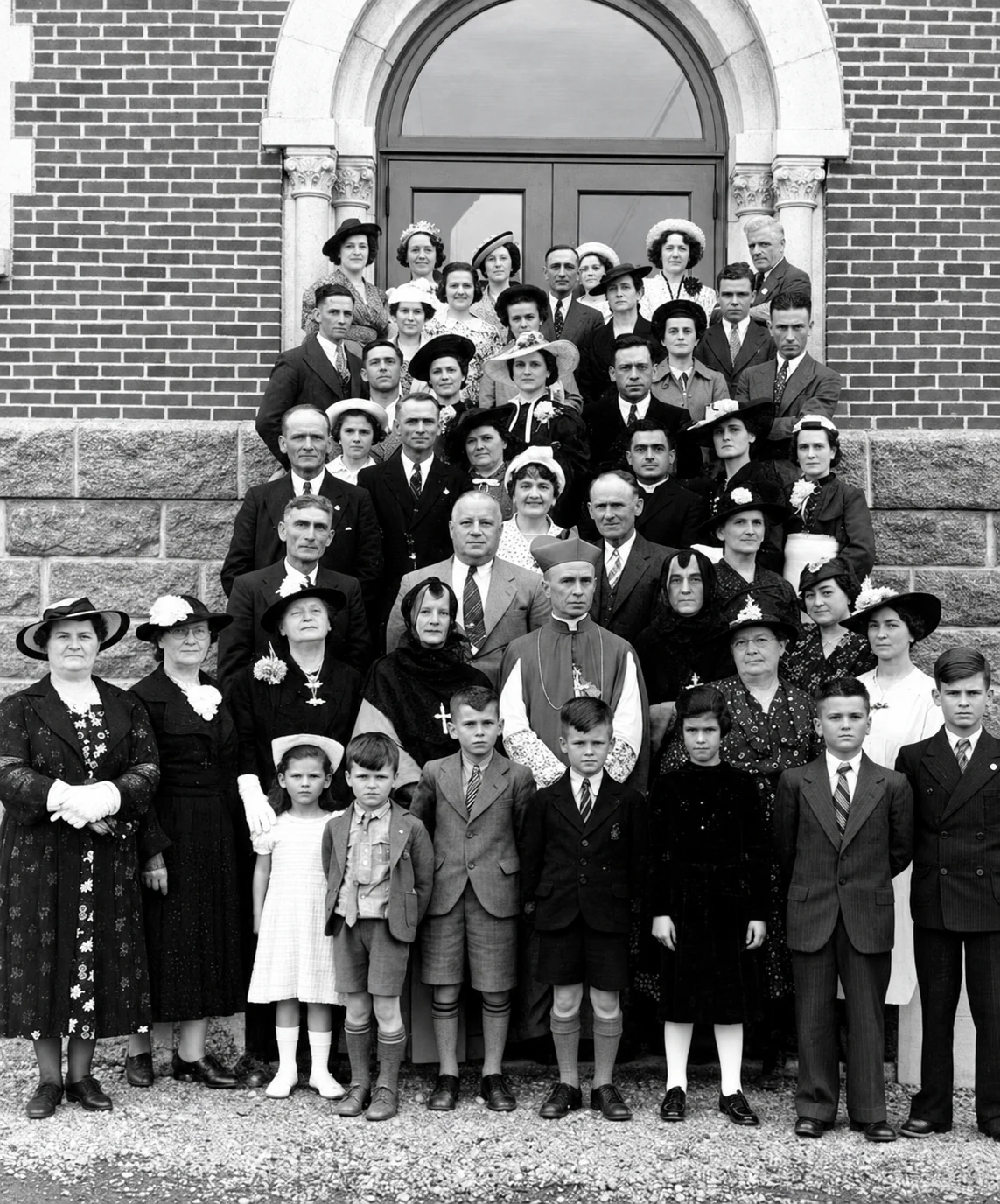
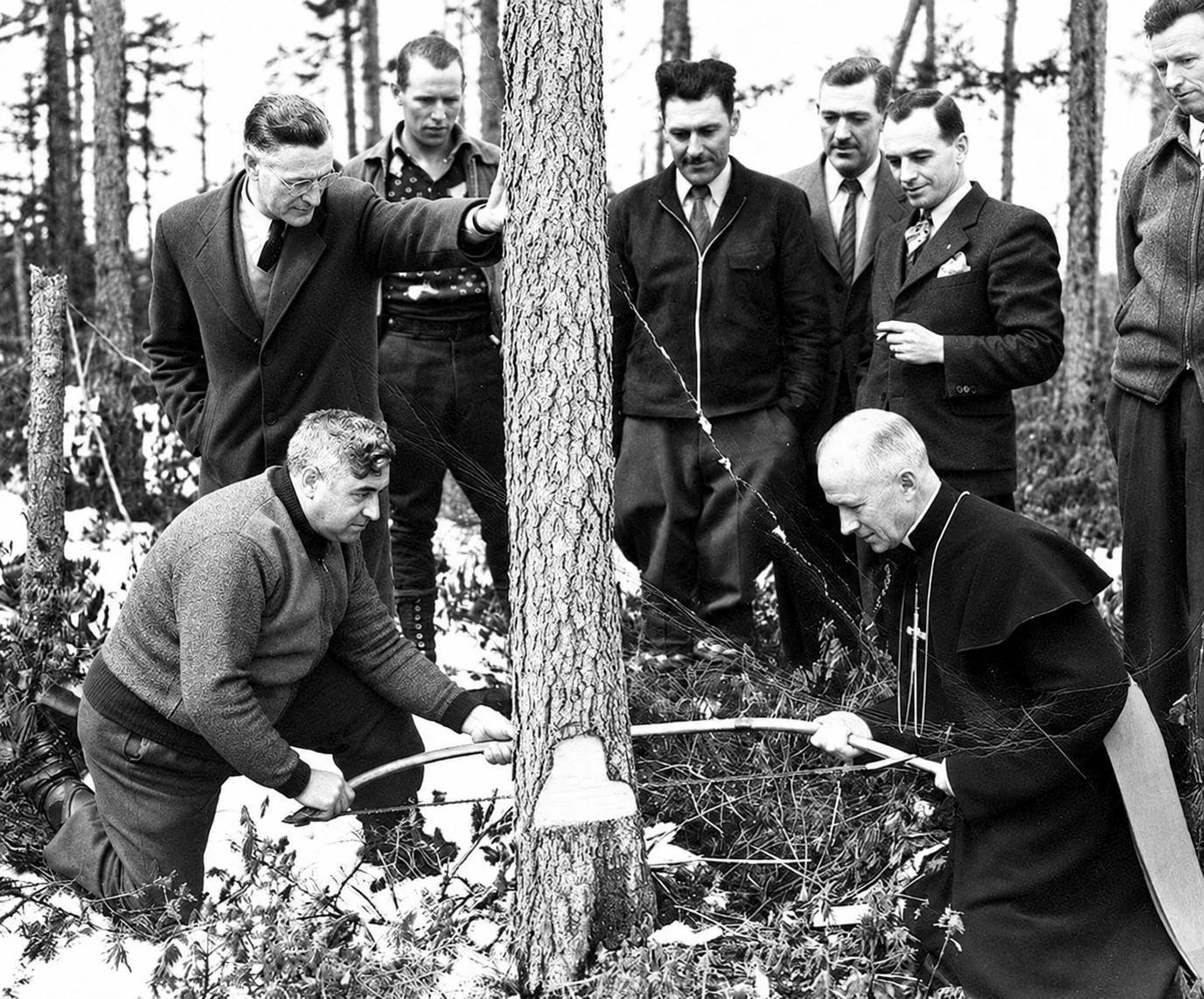
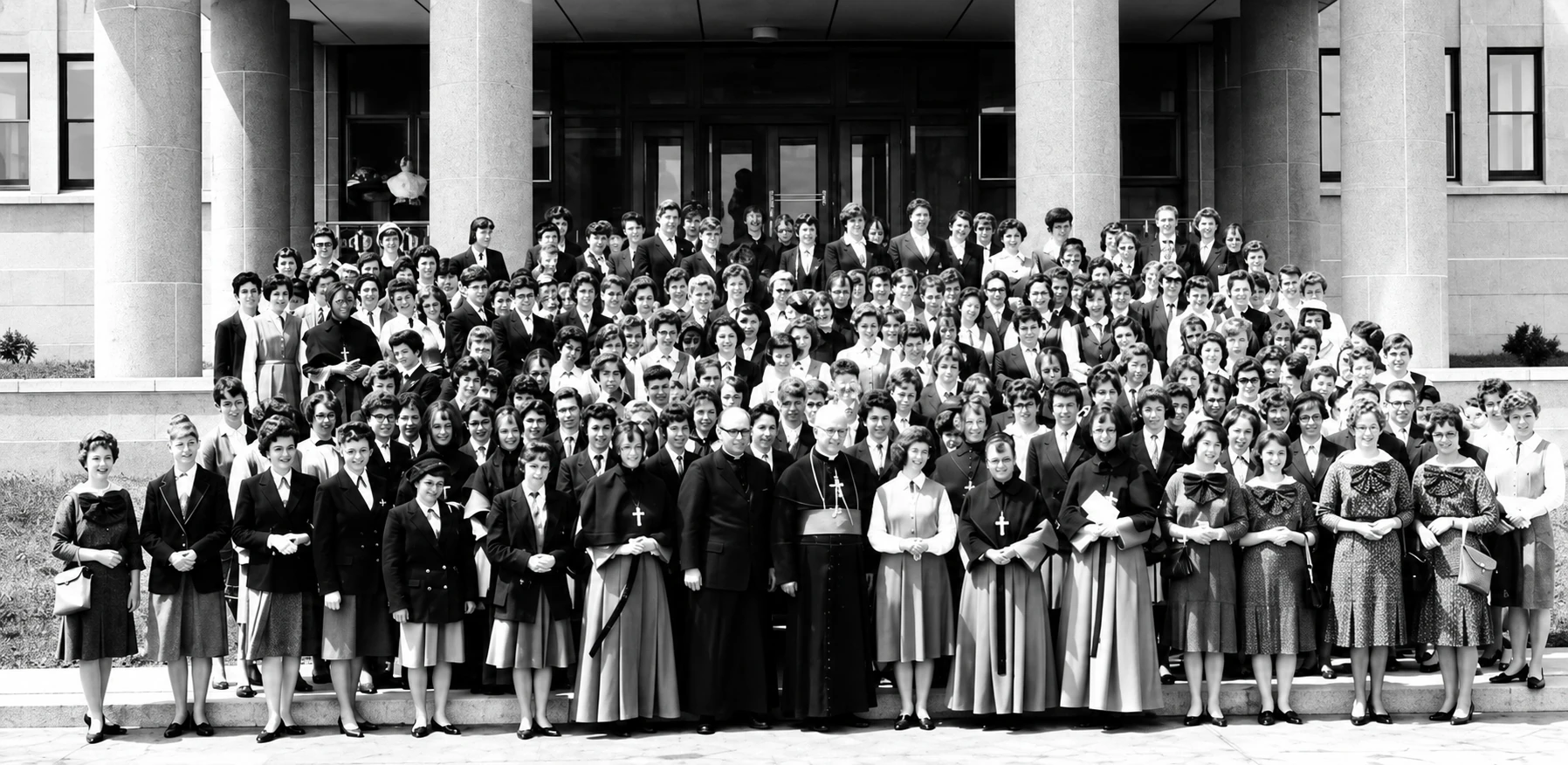
The stories of Gilles Vigneault and the memories of Jean-Marie Beauchemin shed light on the personality of Mgr Labrie and his attachment to the communities of the North Shore.
AI-assisted digital restorations: some details can be reconstructed. The source files are preserved.
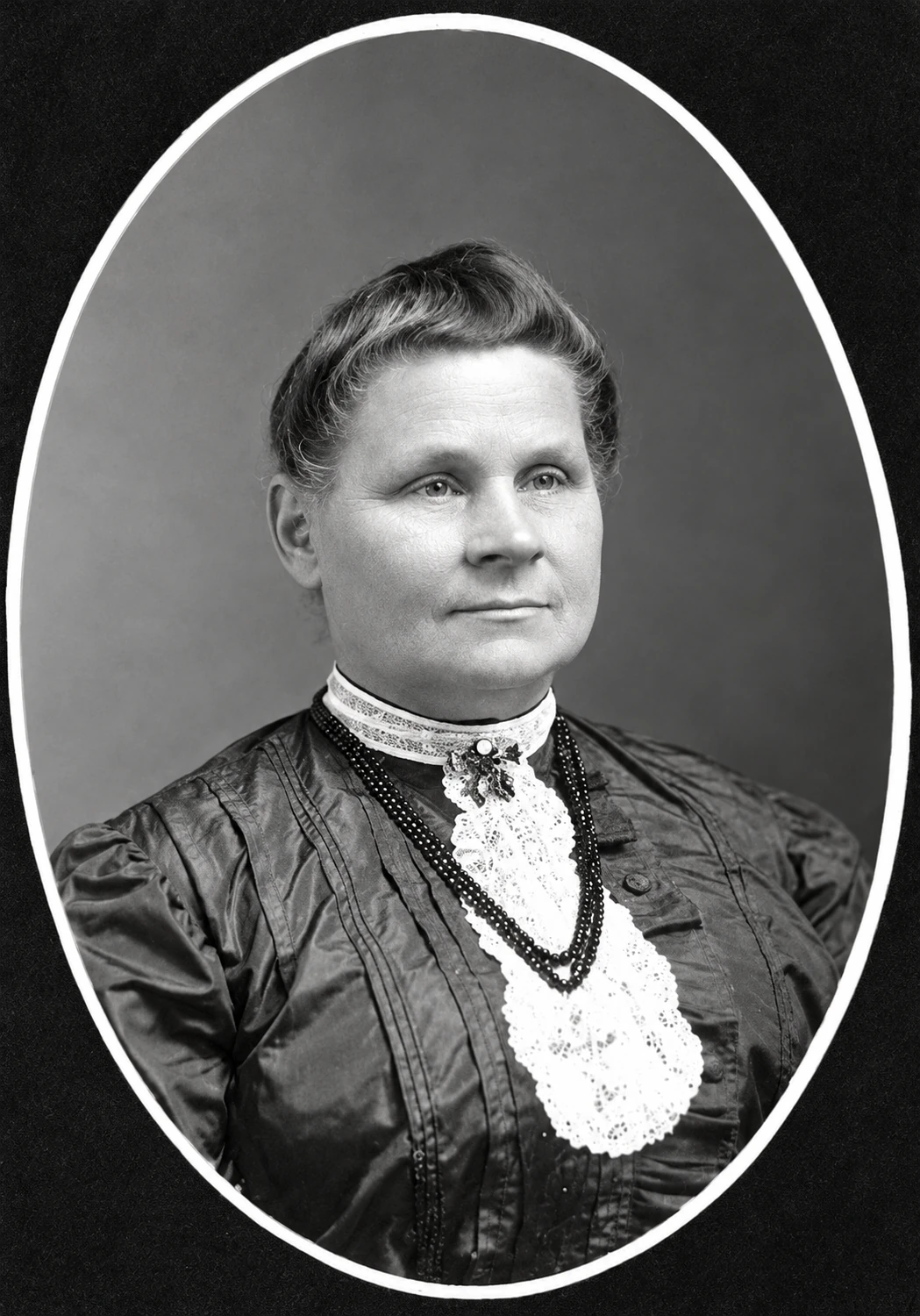
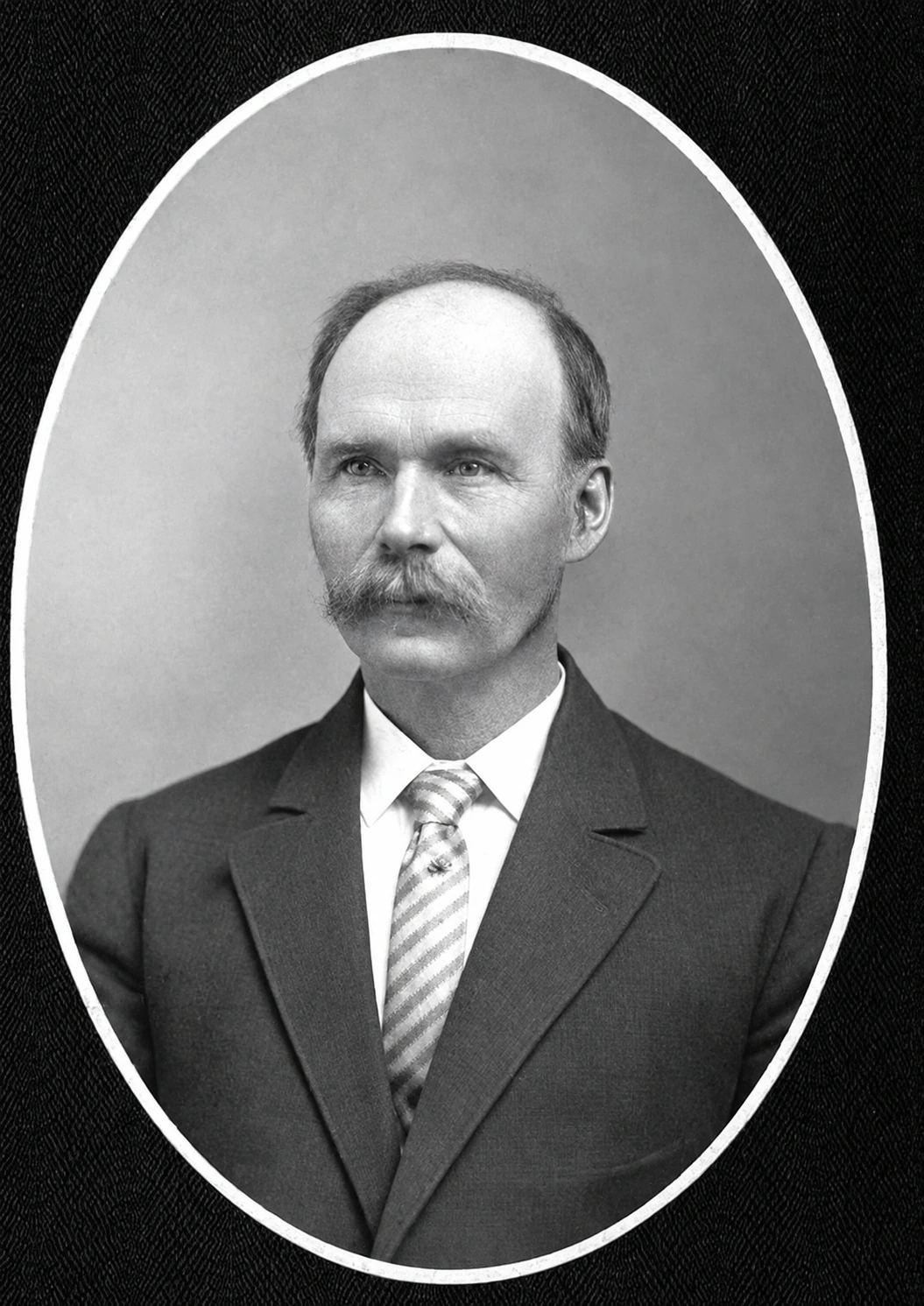
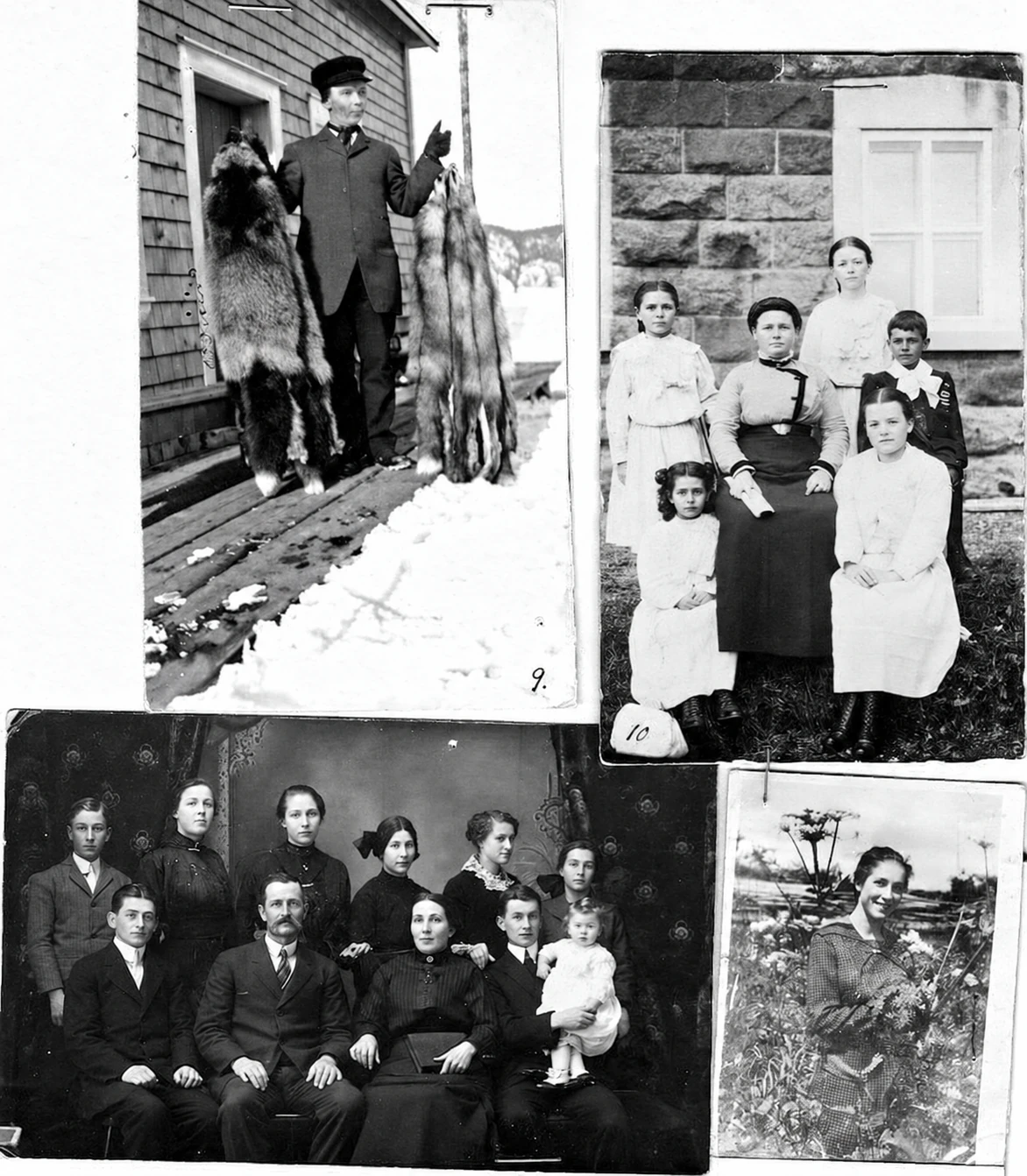
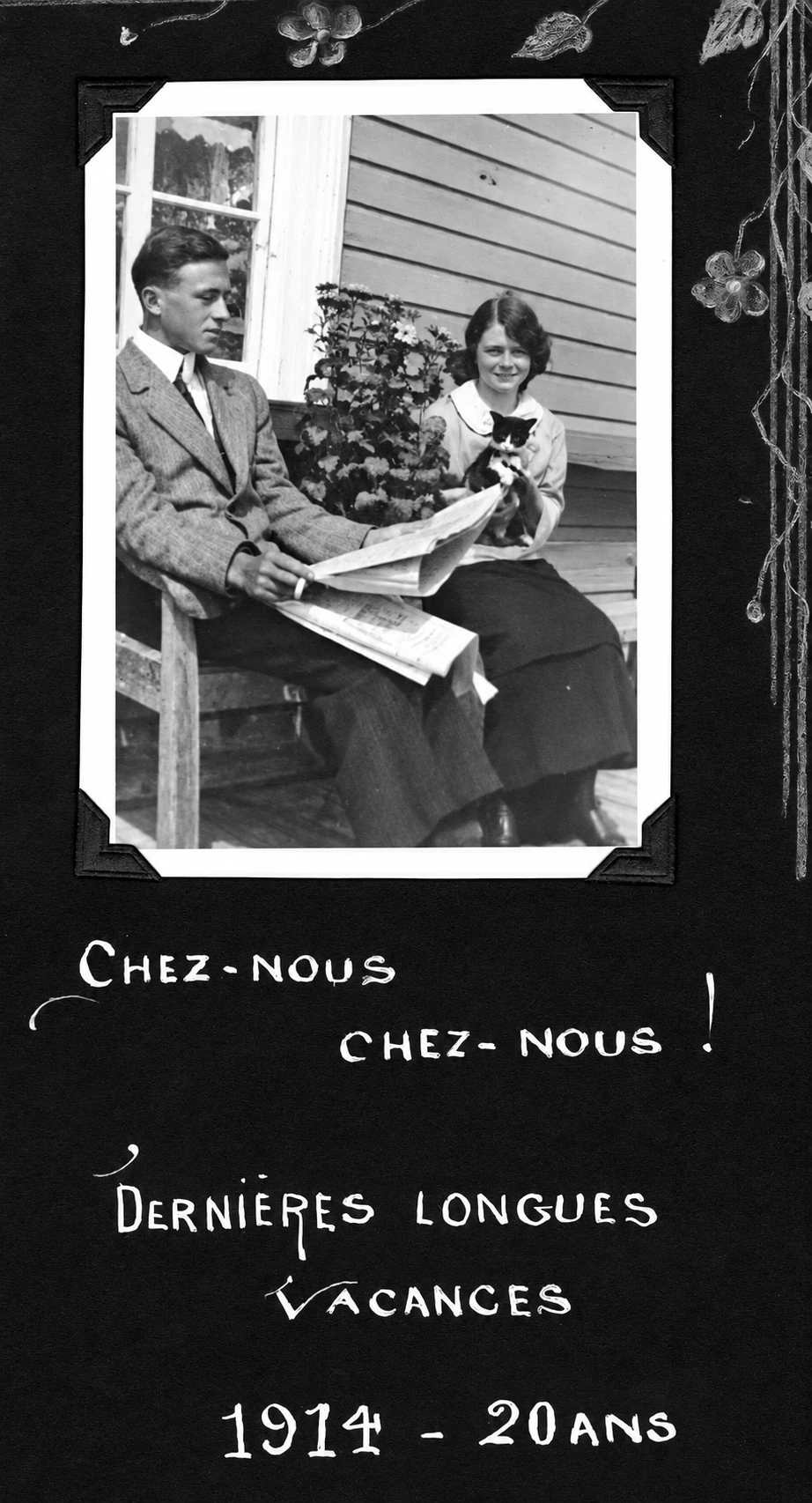
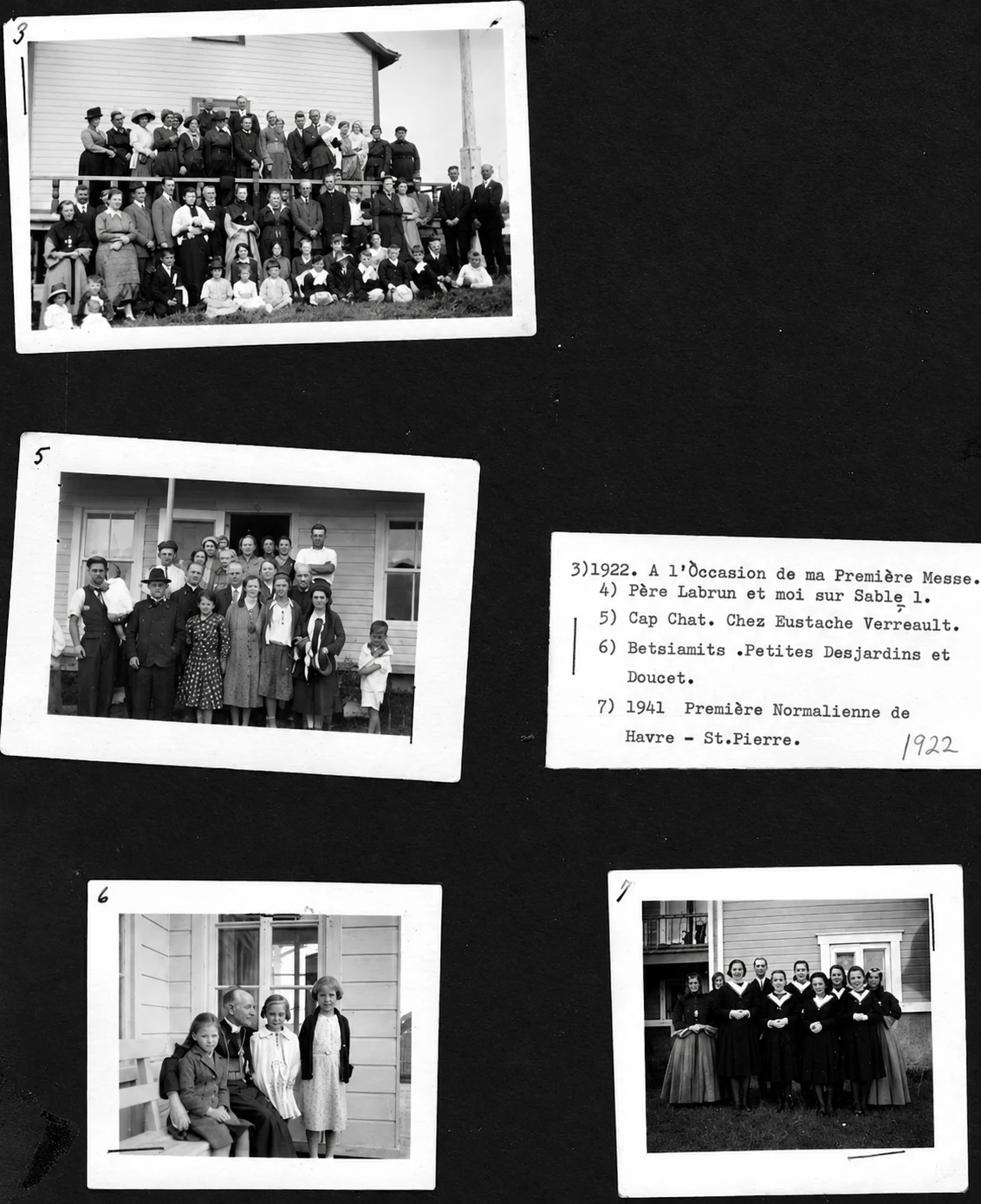
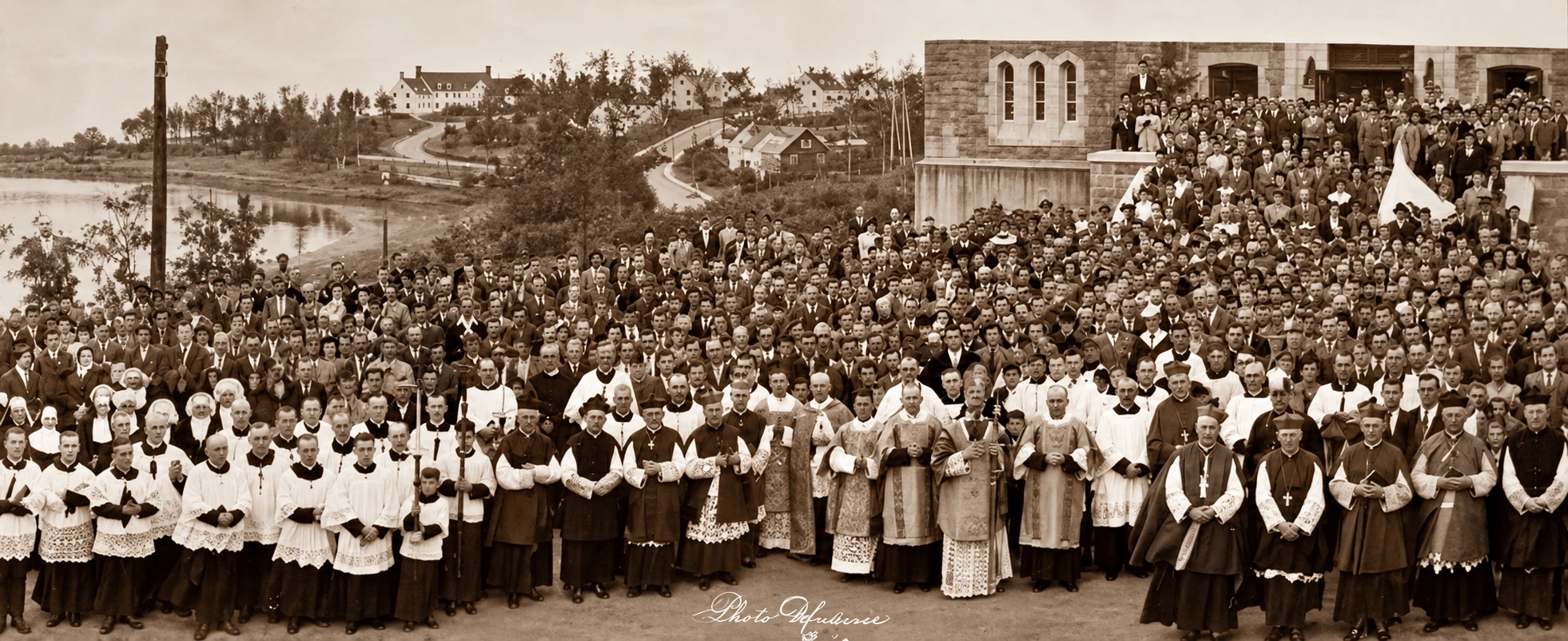
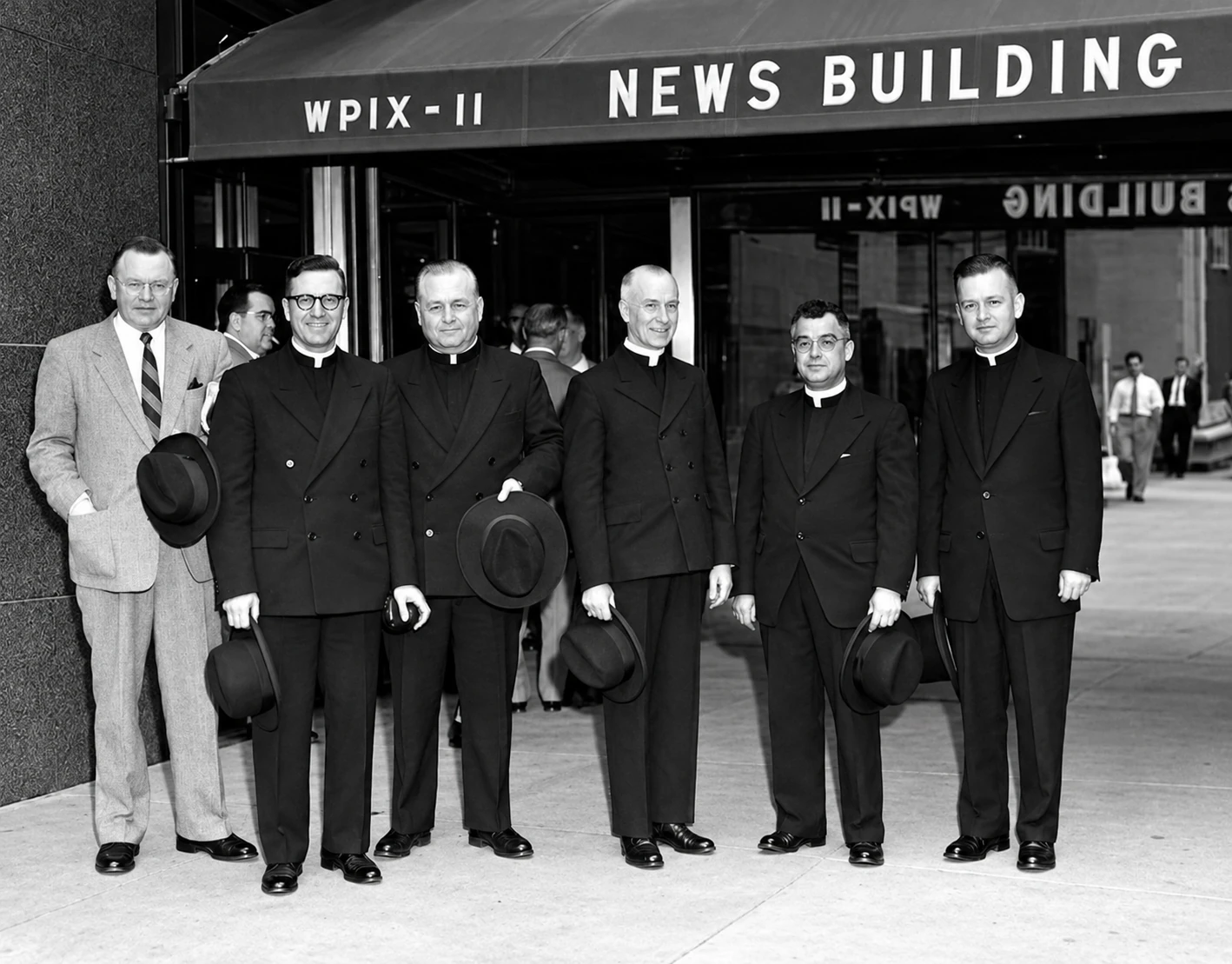
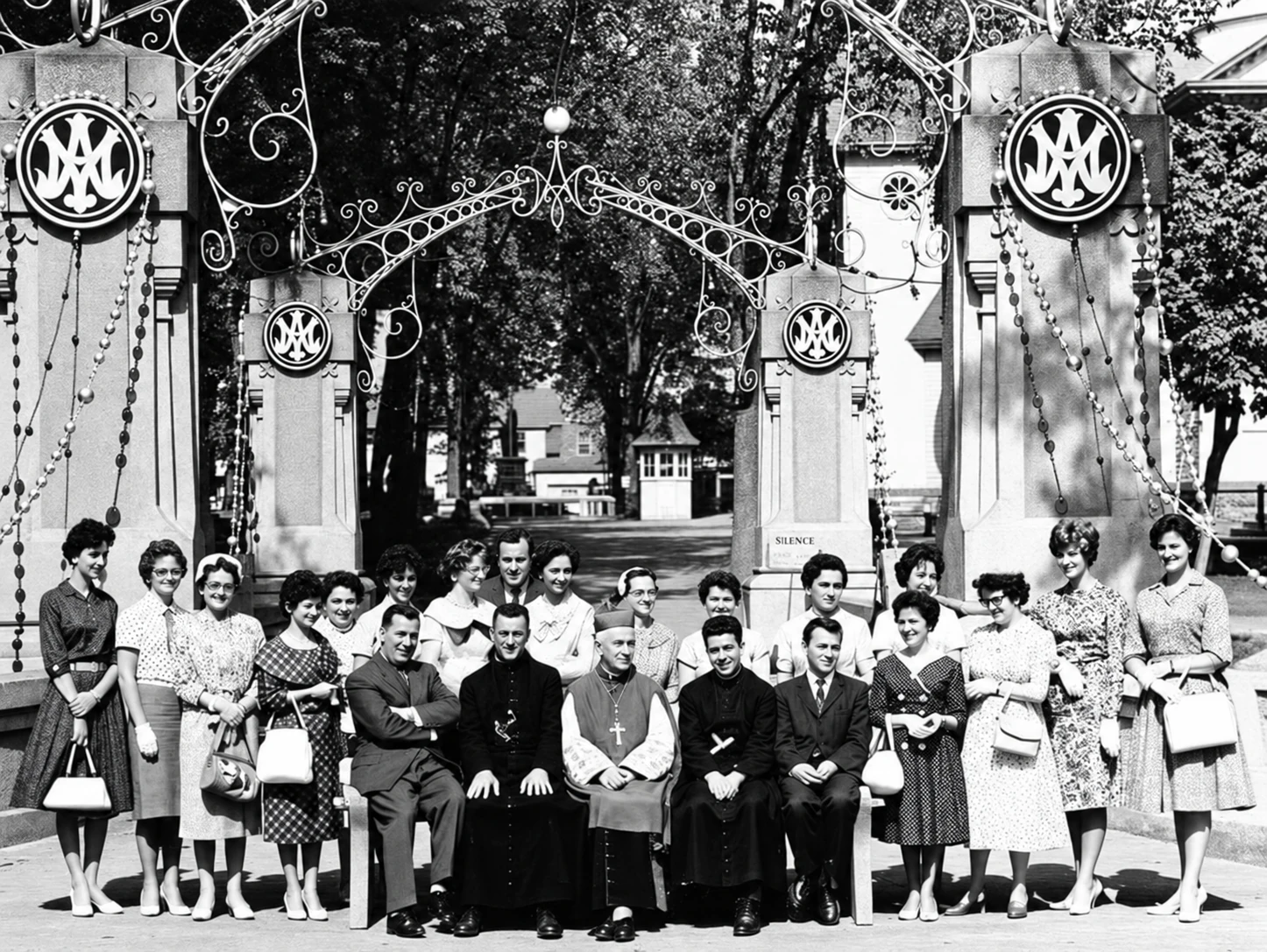
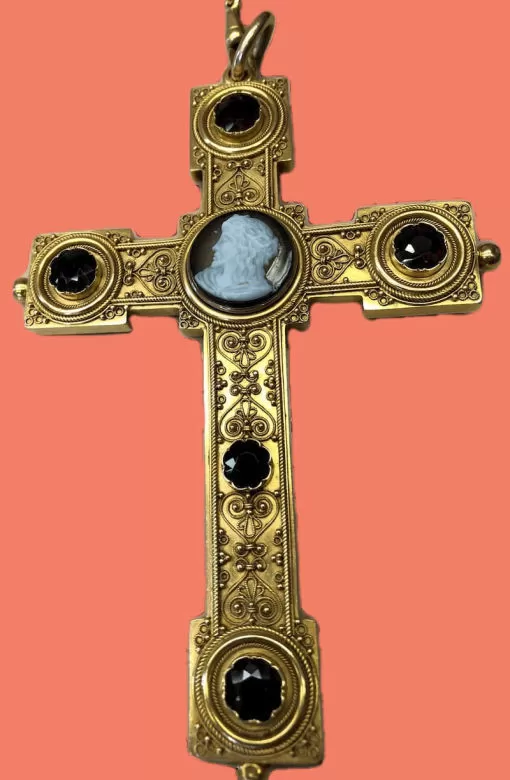
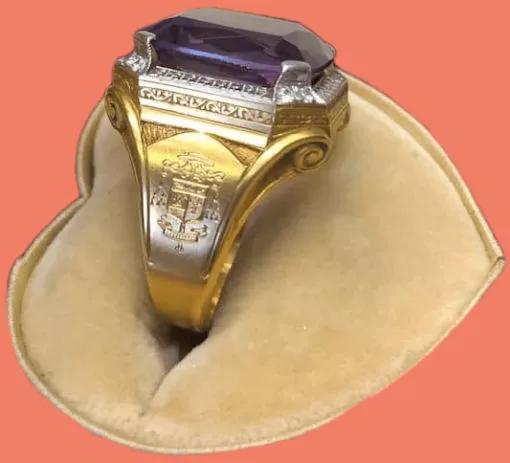
Memory objects
Personal objects recall the episcopal office and the ministry of Mgr Labrie.
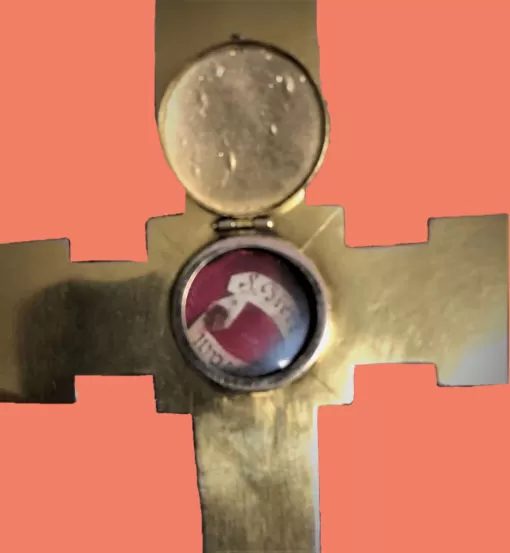
Writings · Memory · Human development
Excerpts from the pastoral letter on the forest and from Mgr Labrie's memoirs shed light on his vision of the North Shore.
Pastoral letter on the forest · 1948
Society is, under an ordering authority, the pooling of all the physical and spiritual powers of each person, with a view to providing the common good.
If today we are faced with an amorphous population, whose interest can only be stimulated with great difficulty, even for the most vital questions, it is because the companies have attached them too much to their tank, it is because, having excessively hindered their freedom, they then force-fed them, by way of compensation, with multiple satisfactions; it is that, having received everything as desired, in this absence of worries, this population is disinterested in the spice of life, which consists of being the own architect of its own happiness and of common happiness.
We repeat, if you want to find prosperity, and the free exercise of your intelligence and your will, be the own architects of your happiness.
The founding industrialist who sits down to judge his company based on its annual revenues is showing very short-sightedness. It ensures the life of its industry, but it compromises its survival because it does not support it on human capital, which is spiritual and social capital, capital that must be shaped a hundred years in advance.
Pastoral letter on the forest, reproduced in Memoirs of a pioneer of the North Shore, text by Napoléon-Alexandre Labrie transcribed and annotated by Pierre Frenette, Société historique de la Côte-Nord.
Pierre Frenette · Memoirs
Monsignor Napoléon-Alexandre Labrie was an exceptional actor and witness to the history of the North Shore, in particular the Manicouagan sector from which he came and with which his life was closely associated.
In his speech of thanks at the priestly golden jubilee on April 15, 1972 in Quebec, Bishop Labrie urged the North Coasters to demand the processing of raw materials on site. He also invites them to cultivate the spirit of unity and to combat parochialism.
p. 35 · Memoirs of a pioneer of the North Shore
What has most marked my life as a bishop?
I do not consider this foundation (Hauterive) as my life’s work. It fits into the essential goal that I had always set for this life...
This goal: cultural and religious development of the region.
Chronicle of the diocese of the Gulf of Saint Lawrence · 1938–1956
Memoirs of Mgr Labrie, 1968.
Industry is a means of subsistence and promotion of man, at the same time as the establishment or colonization of a country into a conscious and socially structured society.
Writings and archives
Pastoral letters, chronicles and testimonies shed light on the work of Bishop Labrie and the history of the diocese of the Gulf of Saint-Laurent.
A call to think about the future of the forest and the communities that depend on it.
Consult the file ↗02Extracts from the manuscript and references to the missions on the North Shore.
Read the archives ↗03Publication and documents on the founding of health institutions.
Open resource ↗Movies and music
Films and a song extend the historical story and the testimonies.
Centenary of the arrival of the Eudists
Music: Luc Perron and Vincent Brauer · Arrangements: Geneviève Simard · Accompaniment: Violette Simard · Soloist: Luc Perron.
Stories and correspondence
Eight files feature the voices of missionaries and tell the story of the life of the communities of the North Shore at different times.
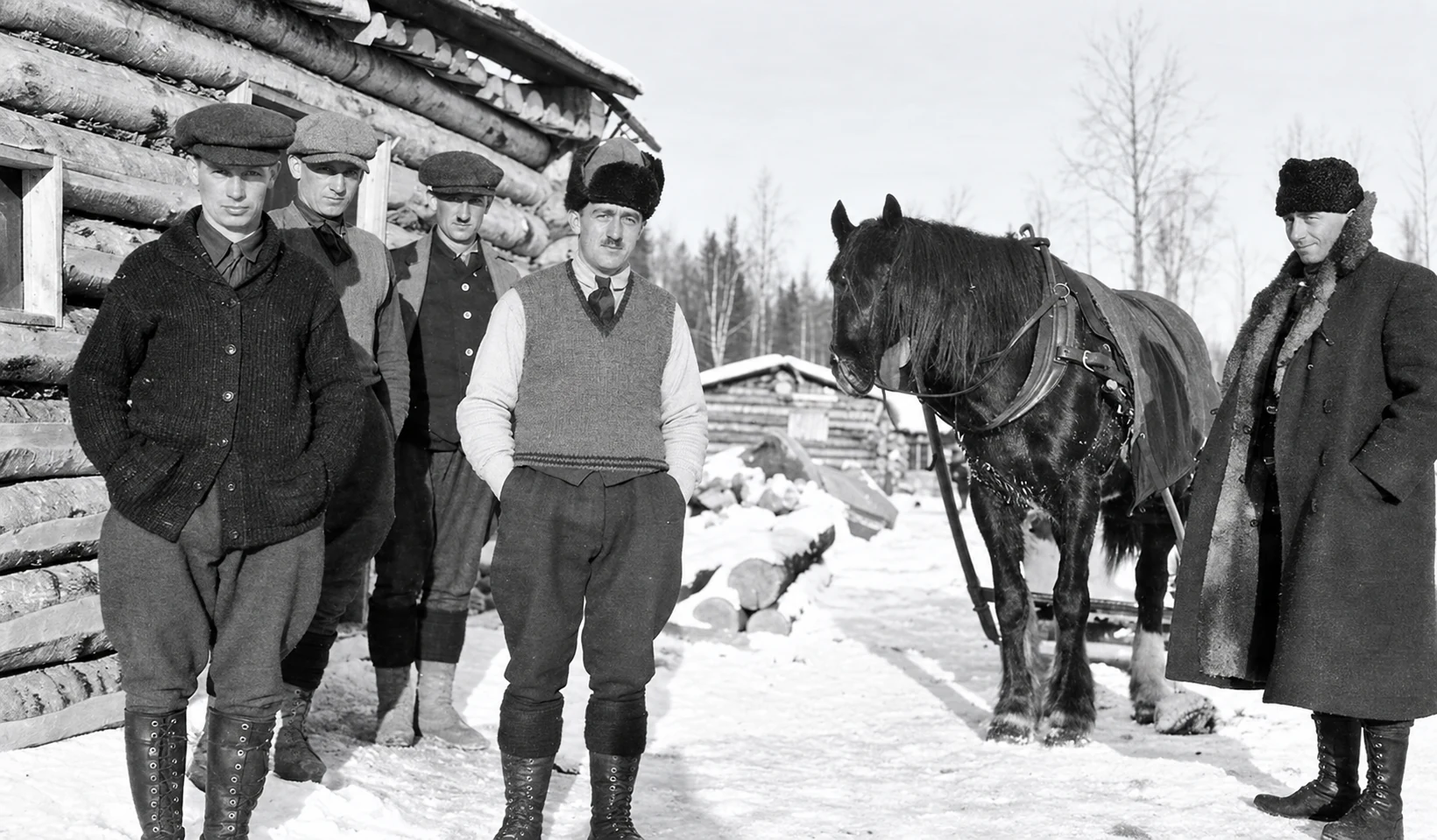
Lucien Bourque recounts his missionary tour with forestry workers and life in the camps on the North Shore.
Read the story →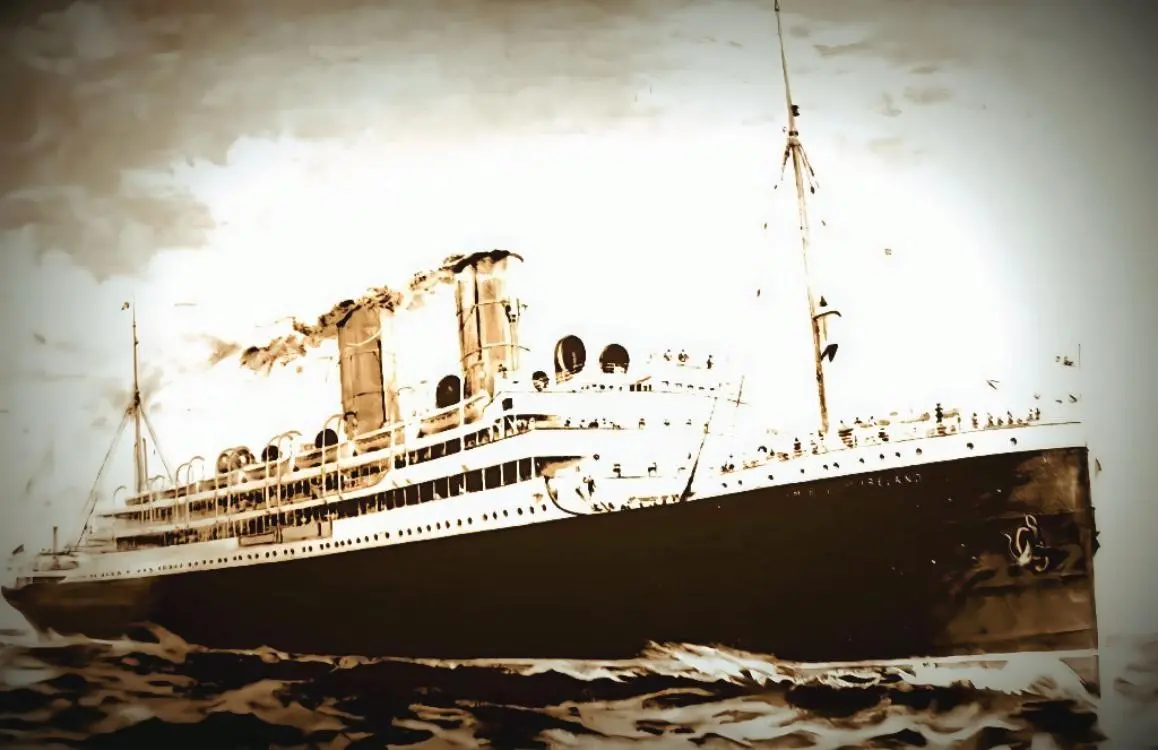
His letters trace the departure from Brittany, the crossing of the Atlantic and his first years of mission in Bersimis.
Discover its story →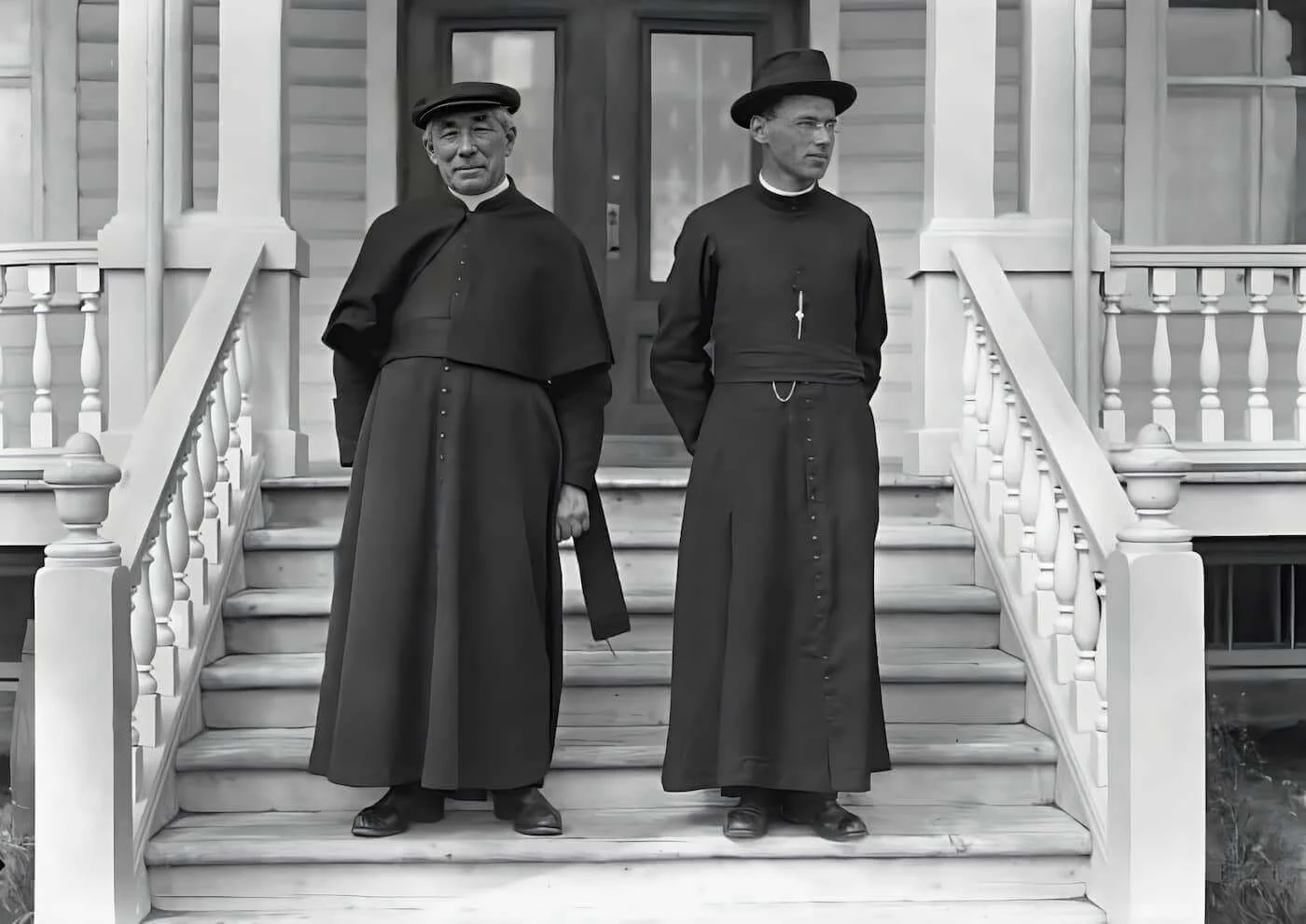
Mission memories, meetings and daily life in the parish and on the vast coastal territory.
Read Memories →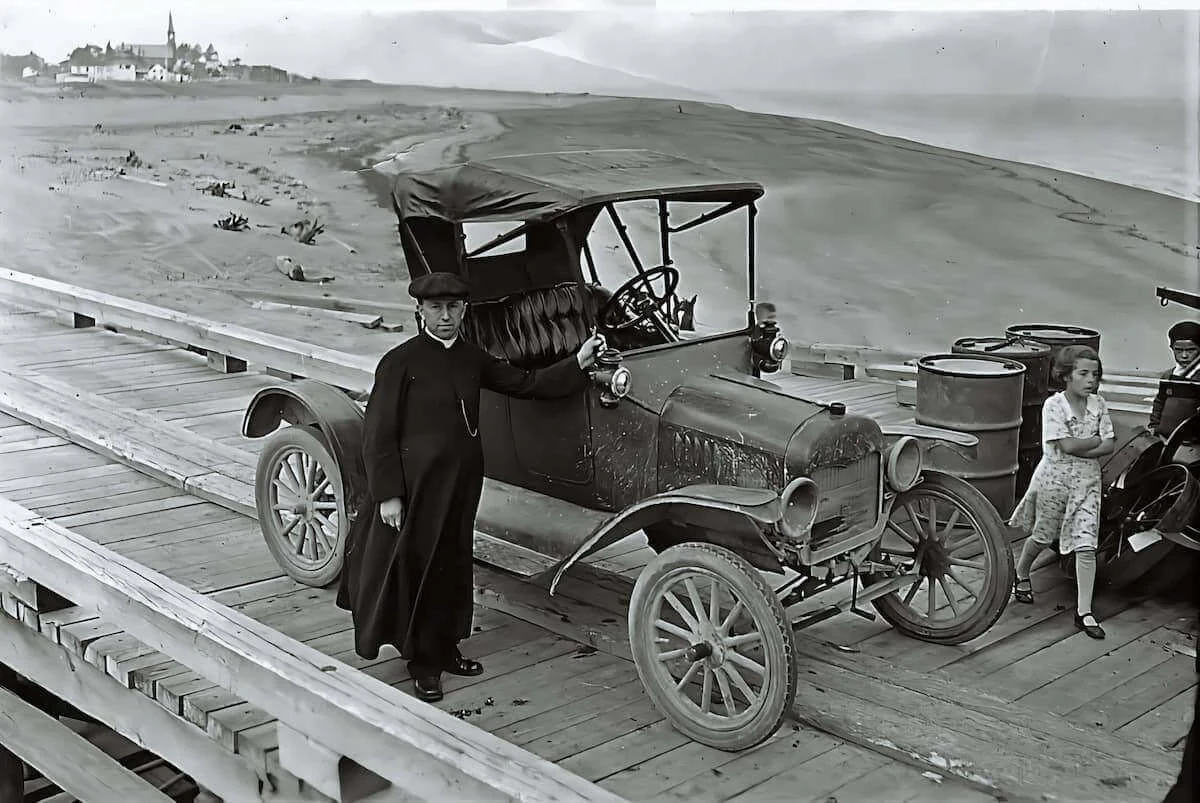
His story evokes his first years in the North and his films document the communities and landscapes of the North Shore.
Discover its story →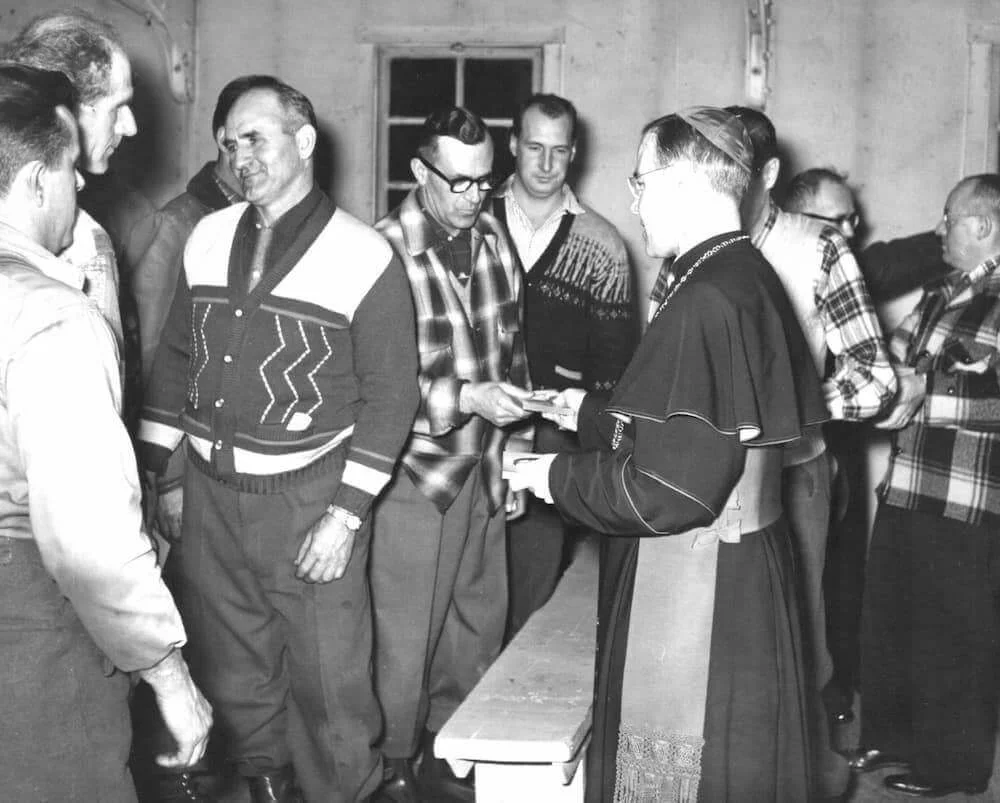
Accompanied by Father Jean-Marie Beauchemin, he meets the forestry workers and shares their daily life at the camp.
View archives →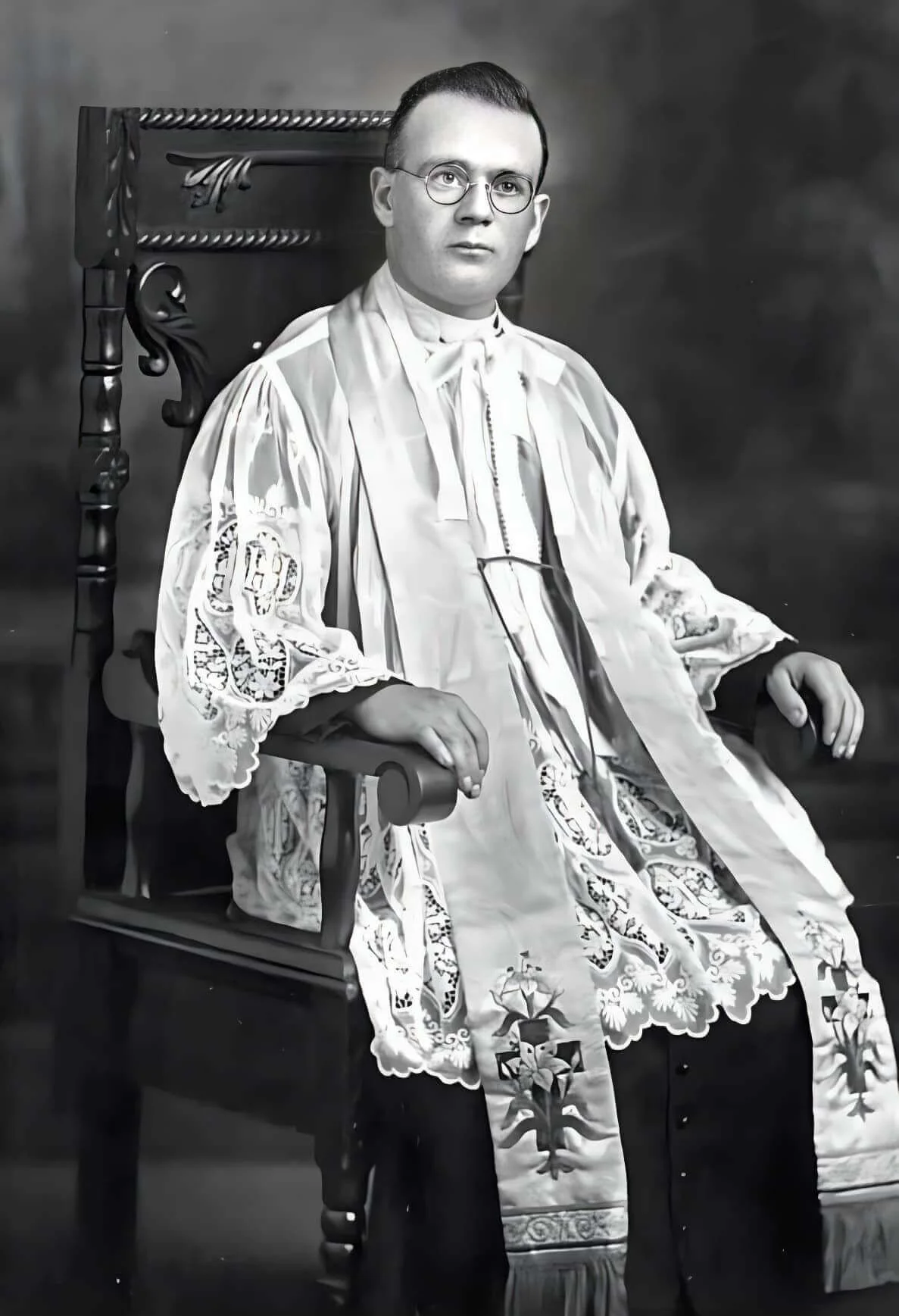
The Sainte-Anne chapel, the altar and the gatherings that marked the mission on the North Shore.
Discover the story →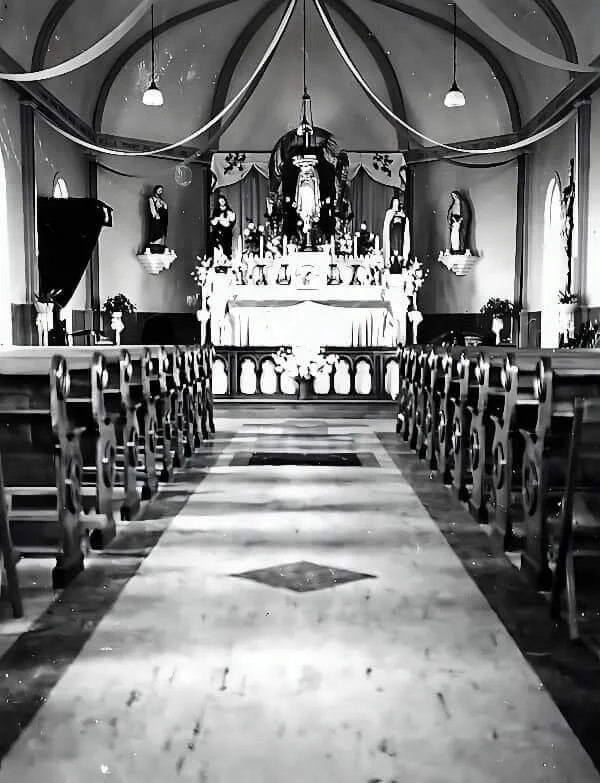
The journey of the young Eudist priest sent to the most remote mission in the Gulf of Saint Lawrence.
Discover the mission →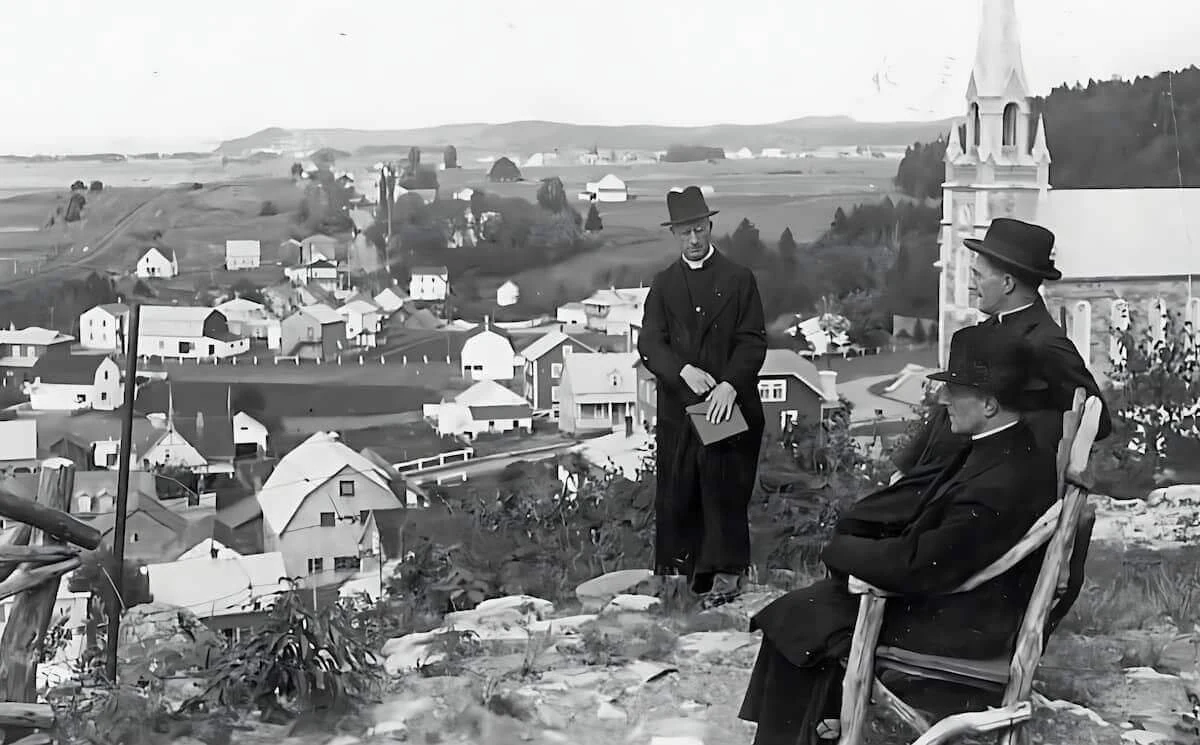
The Eudist mission and the memory of north-coastal communities through more than a century of history.
Browse this story →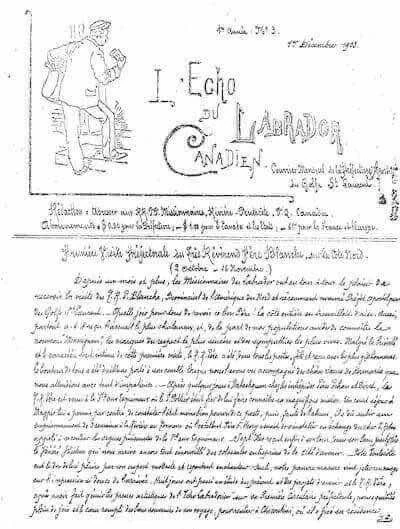
Read the stories of the first Eudist missions on the North Shore.
Open archives →